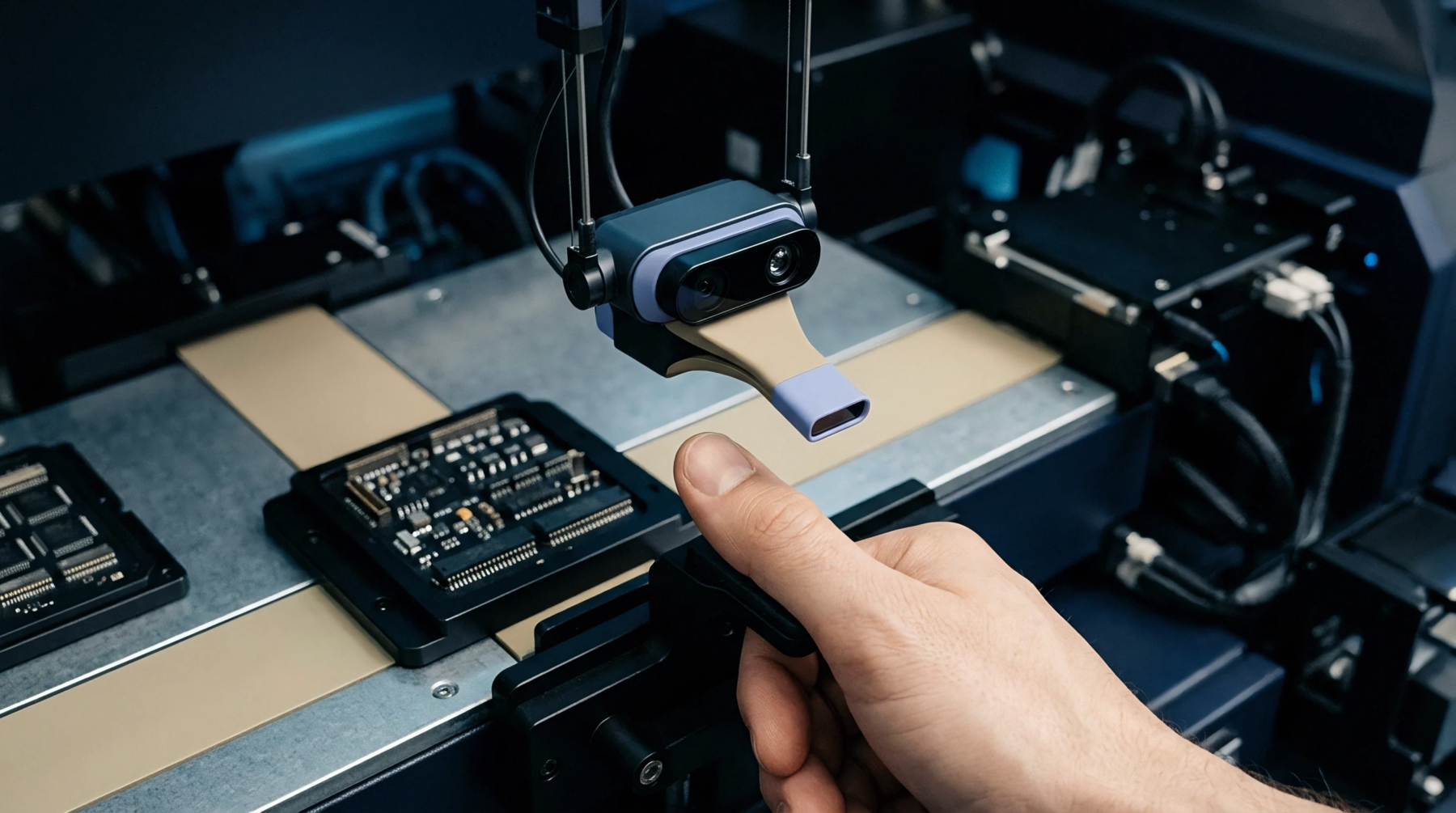
Mismatched Expansion
Physical phenomenon occurs when two bonded materials expand or contract at different rates as the ambient temperature changes. Thermal management in microelectronics addresses the thermal expansion differential to prevent the buildup of mechanical stress at the interface between components. This mismatch leads to warping, delamination, voiding or the cracking of solder joints during regular operation.
Material Constant
Every material is characterized by a coefficient of thermal expansion that defines its fractional change in length per degree of temperature change. Metals typically have higher values than ceramics or silicon. The difference between these constants determines the magnitude of the strain generated for every degree of temperature rise.
Structural Impact
When two layers with different coefficients are fused together, the assembly will curve toward the side with the lower expansion as the temperature increases. This effect is used intentionally in thermostats but remains a primary source of failure in semiconductor packaging. Careful material selection aims to minimize this delta to improve the fatigue life of the product.
Stresses concentrated at the corners of a die can exceed the fracture strength of the material if the gap between the chip and the substrate is too large.
Metrological Verification
Precision dilatometers measure the expansion of a sample against a known reference material like quartz or sapphire. These measurements provide the data needed to model the behavior of complex assemblies. Standards like ASTM E228 govern the procedures for obtaining these values with high accuracy.