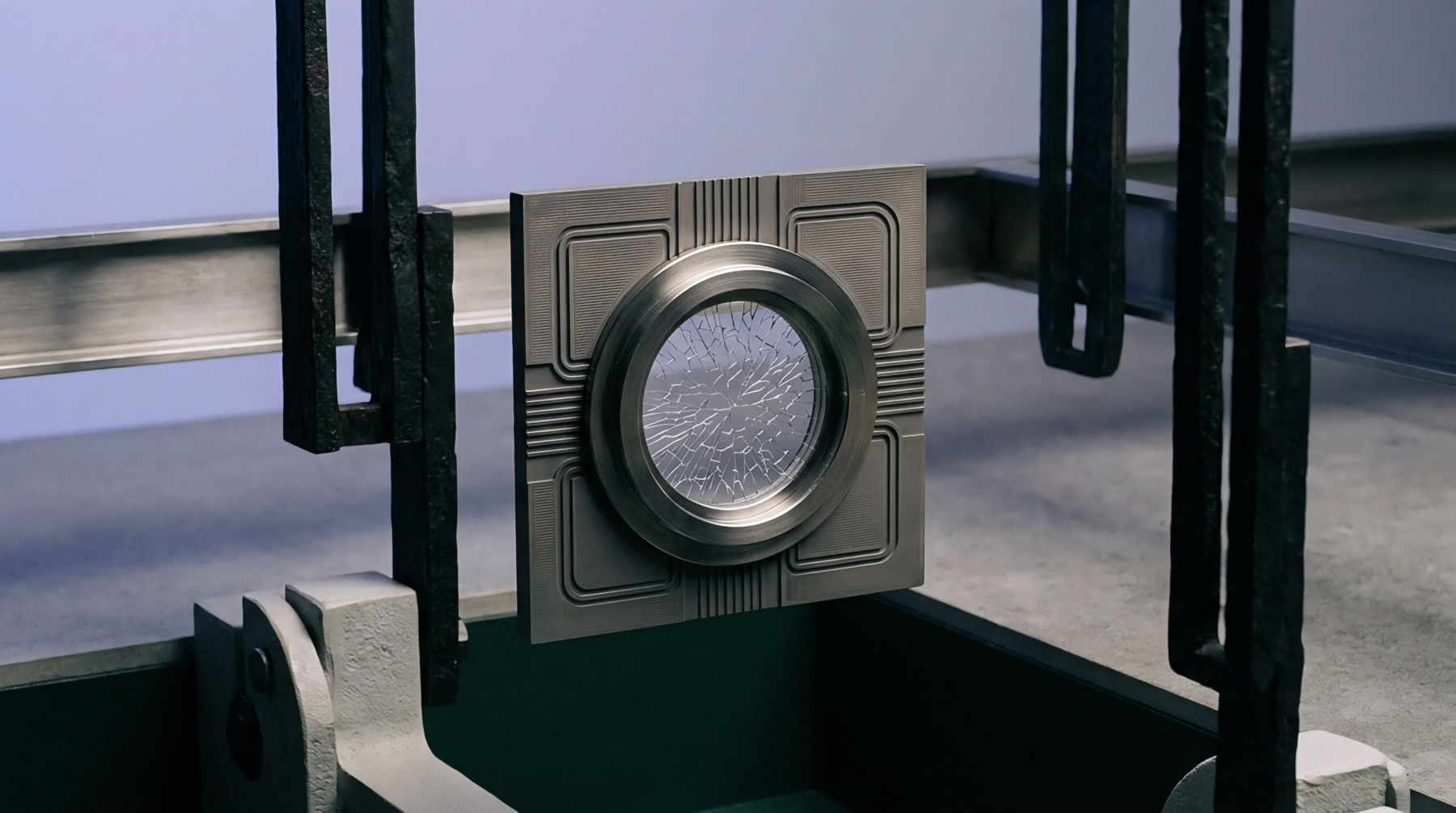
Dimensional Adjustment
Real-time gap modification balances thermal growth within mechanical fixtures to maintain correct metrological sample dimensions throughout temperature sweeps. High-precision mechanical testing frames apply thermal expansion compensation to neutralize the elongation of drive shafts, test fixtures and internal transducers during heating. The regime of valid application stops when internal sample phase inversions or volatile decompositions alter specimen volume independently of fixture geometry mechanics.
Actuator Calibration
Baseline calibration protocols run empty thermal cycles across operating ranges to map the exact thermal expansion coefficient of metal fixture assemblies. Invar and ceramic shafts reduce parasitic extension, yet residual thermal drift mandates mathematical corrections inside real-time instrument software. Dynamic tracking systems monitor oven temperatures and adjust the axial motor drive continuously to maintain target gap parameters.
Quality audit frameworks demand regular thermal-gap mapping runs to qualify dynamic mechanical instruments for aerospace resin screening.
Thermal Offset
Heating rates that exceed fixture heat transfer capacities create substantial temperature differences between measurement thermocouples and inner mechanical cores. Non-uniform shaft heating invalidates static calibration profiles, generating uncorrected expansion strains within mounting assemblies. Mechanical wear in linear slide guides introduces positional hysteresis into corrective gap movements during alternating heating and cooling passes.
Force sensor drift induced by radiant heat from convection ovens distorts feedback baselines, confusing structural expansion with thermal fixture growth.
Strain Precision
Rheological calculations depend directly on gap accuracy because shear rate and shear strain scale inversely with fixture separation. Uncorrected fixture expansion compresses the sample, creating artificial normal forces and distorted shear modulus readings during dynamic mechanical thermal analysis. Polymer glassy modulus measurements fail quality standards when gap variations alter baseline sample cross-sections during temperature sweeps.
Correct volumetric adjustment yields clean glass transition traces free from mechanical clamping artefacts. True thermal properties emerge only when instrument mechanics are fully decoupled from material behavior.