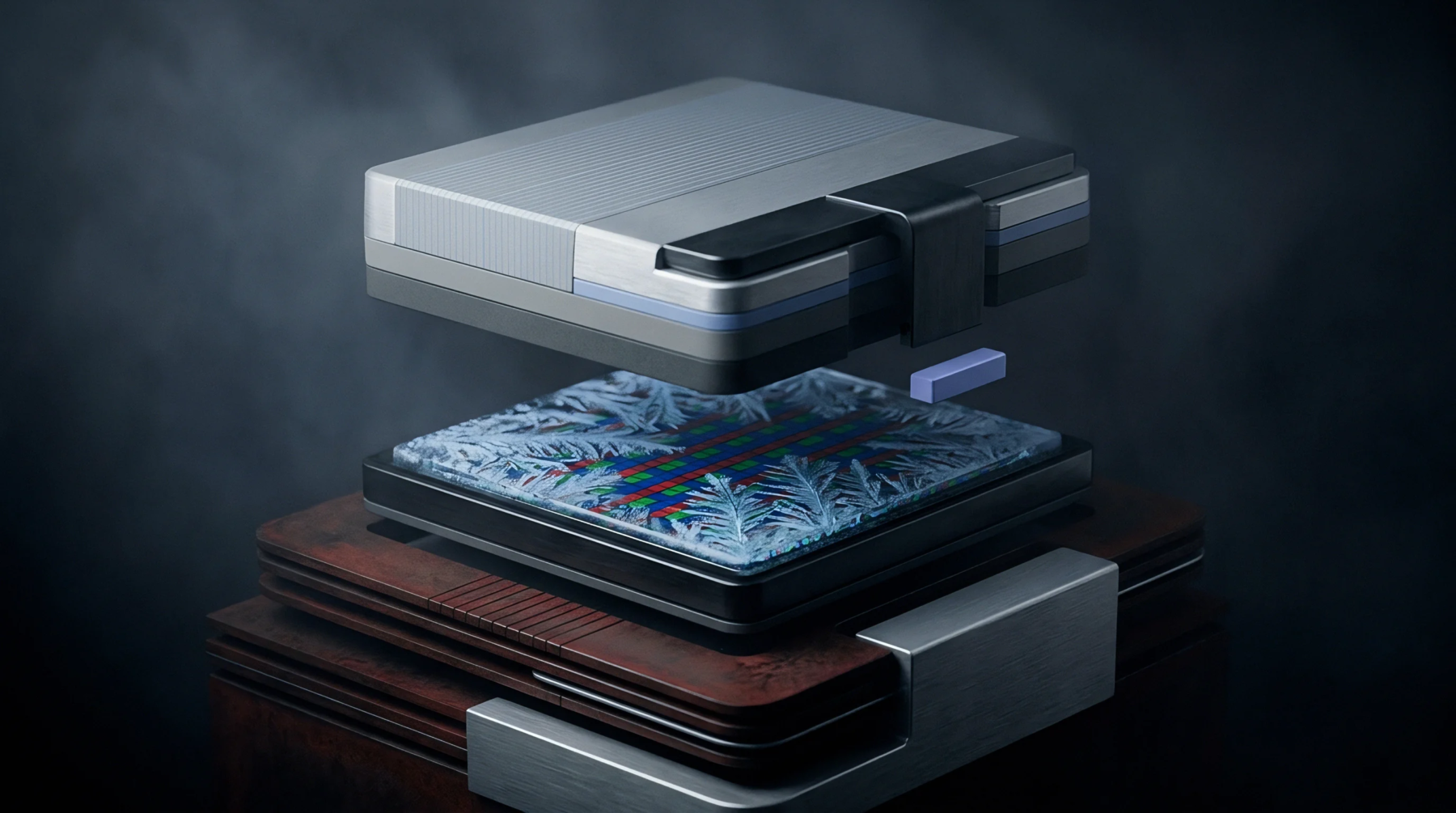
Diffusion Constant
Rate of temperature change in a material is characterized by the time required for a thermal disruption to propagate from the surface of a sensor package to its internal active sensing element. Packaging design relies on the thermal diffusion time constant to estimate how quickly a sensor will respond to sudden changes in the ambient temperature. This value is defined as the time required for the internal sensor junction to reach sixty-three percent of the applied temperature step.
A long constant can cause a significant delay in the temperature compensation loop, leading to temporary measurement errors.
Material Dependency
Thermal conductivity, specific heat, and density of the packaging materials dictate the speed of this thermal transfer. High-conductivity metals or ceramics reduce this delay, while plastic encapsulants and air gaps inside the package increase the time required for the internal elements to stabilize.
Sensor Drift
Transient temperature gradients during this thermal transfer period can generate non-linear bias drifts and thermal stress inside the sensor. These transient effects are difficult to compensate for in real time, making a small diffusion constant desirable for sensors operated in environments with rapid thermal changes.
Characterization Test
Verifying this time constant requires placing the sensor in a specialized thermal shock chamber and monitoring the real-time sensor output as it transitions between different temperatures. This testing ensures that the package design conforms to the transient thermal specifications required by the system design.