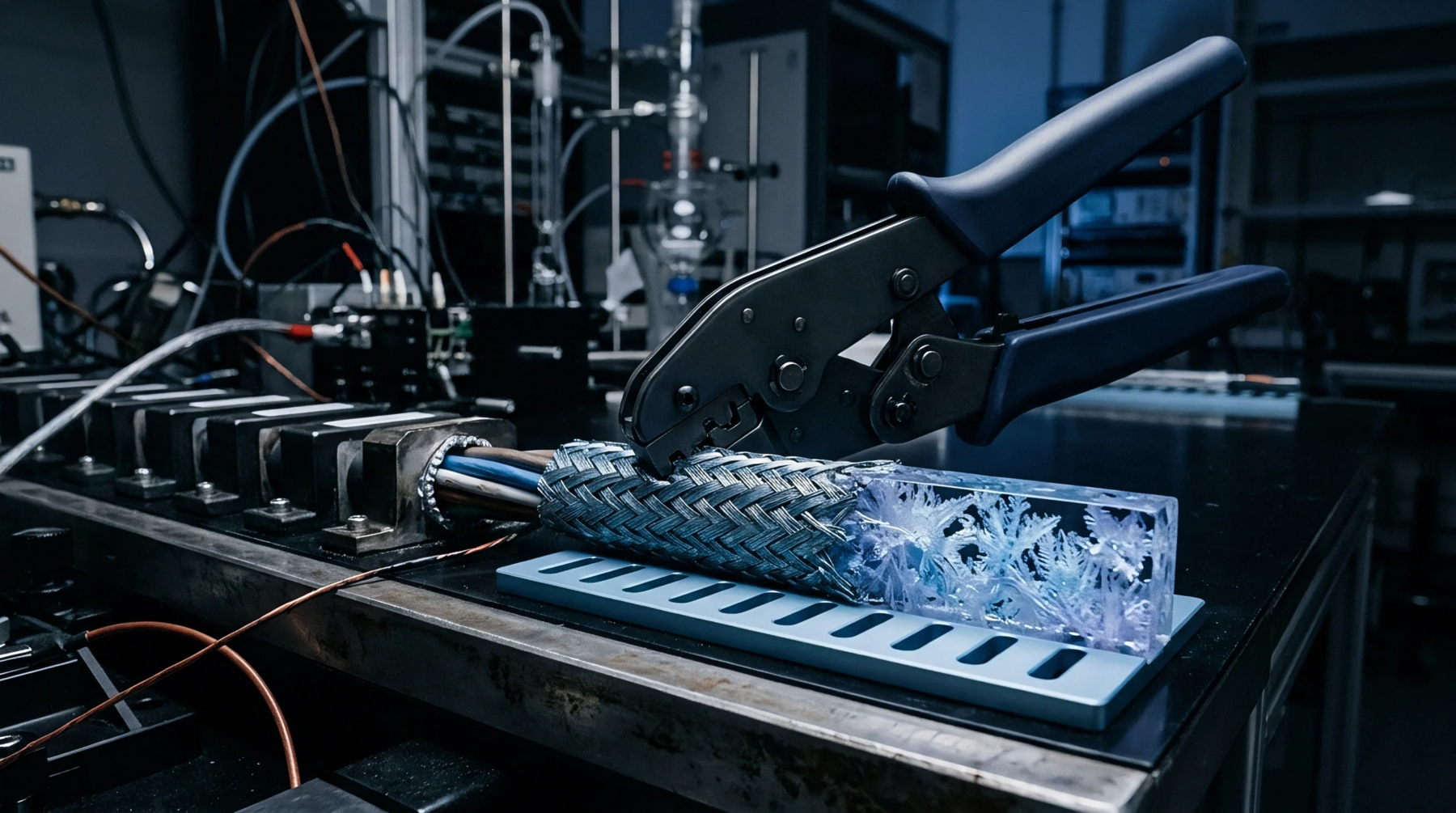
Signal Reduction
Protective barriers and insulation layers reduce the magnitude of temperature fluctuations as they pass from a process to a sensor. This thermal attenuation acts as a low-pass filter on the temperature signal. It is a function of the heat capacity and thermal resistance of the materials involved.
Damping Mechanism
Energy must migrate through various media before it reaches the active sensing element. Thermal attenuation occurs because the materials in the path absorb some of the energy to change their own temperature. This results in a measured amplitude that is smaller than the actual amplitude of the process fluctuation.
High-frequency changes are smoothed out more effectively than slow, long-term trends.
Metrological Impact
Accuracy during transient events suffers when the degree of shielding is too high. If thermal attenuation is high, the sensor might never reach the peak temperature of a short-duration event. This leads to an underestimation of thermal stress in industrial equipment.
Engineers must account for this reduction when setting safety limits or control loops.
System Design
Material choice with low specific heat and high conductivity can minimize the loss of signal detail. When thermal attenuation is intentional, such as in a reference bath, heavy copper blocks provide the necessary stability. The thickness of the sensor sheath is a critical variable in this calculation.
Thin-walled designs allow for faster tracking of the process state. Increased wall thickness provides better protection but increases the filtering effect.