Optical Aberration
A geometric deviation occurs when a lens or sensor array fails to project a straight line in the scene as a straight line in the captured image. This phenomenon, known as spatial distortion, alters the apparent shape of objects without affecting the resolution of the image. This effect is most pronounced at the outer edges of wide angle imaging systems.
Calibration Routine
Correcting this geometric error involves mapping the distorted image coordinates of a known grid pattern to their correct rectilinear positions. Mathematical models, such as the Brown Conrady model, calculate the radial and tangential distortion coefficients of the lens assembly. These coefficients are then applied to a real time pixel transformation pipeline to flatten the image before further analysis is conducted.
Industrial Impact
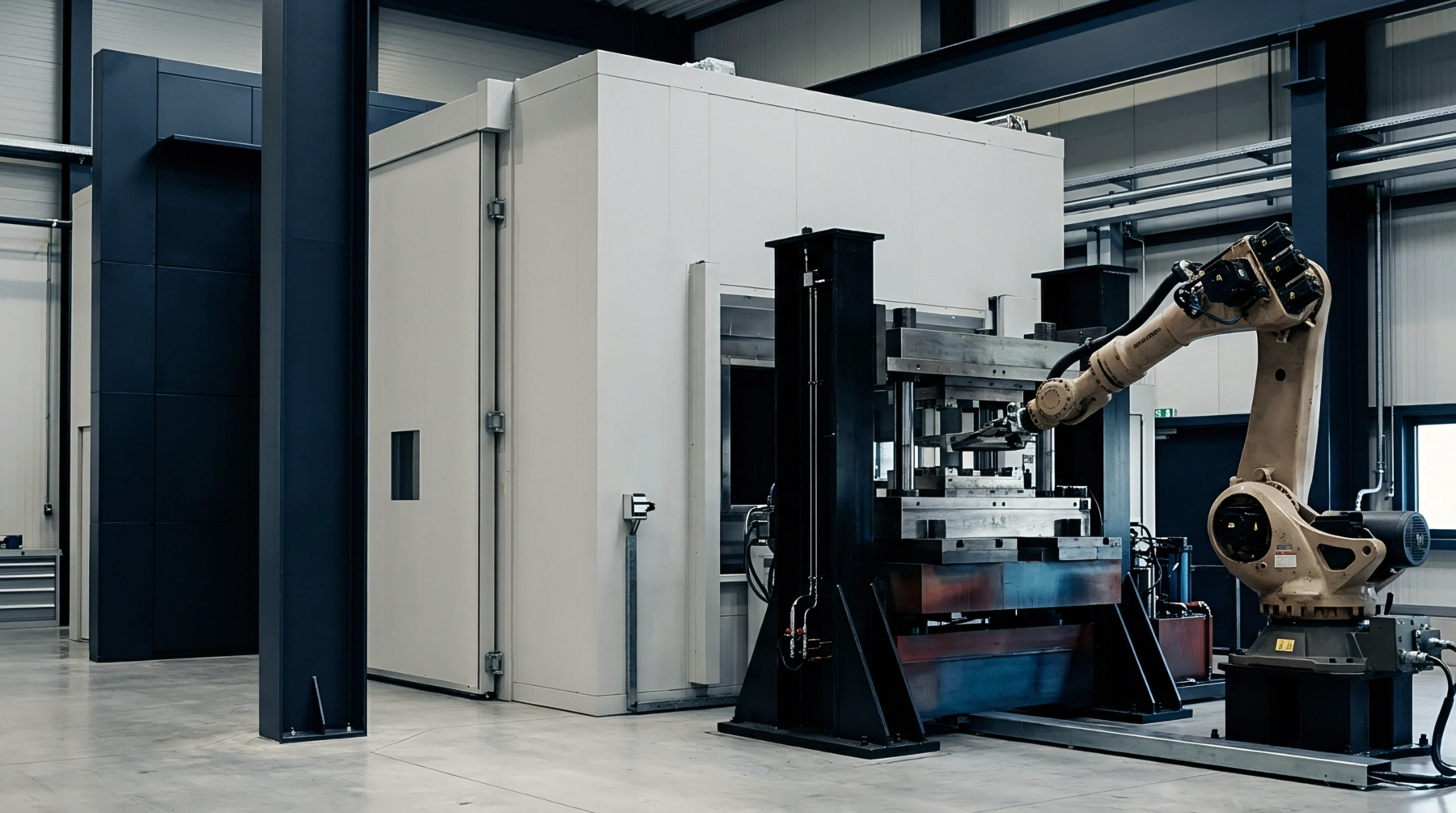
In automated metrology and robot guidance, uncorrected spatial distortion introduces measurement errors that can lead to assembly failures or incorrect sorting decisions. If a robot must pick a part with millimeter precision, any geometric warp in the camera image will cause the coordinates to be miscalculated. Engineers must calibrate each camera system individually to ensure that these measurements remain within the tight tolerances required by production lines, as a failure to do so can result in expensive component damage or system downtime when the mechanical gripper misses its target.
Architectural Source
While lenses are the primary source of this effect, sensor flatness and pixel array non uniformity can also introduce localized geometric errors. Sourcing departments specify maximum distortion limits during the procurement of lens assemblies to avoid complex software compensation step. This step ensures that the optomechanical system is intrinsically accurate before any digital processing is applied.