Cycle Limit
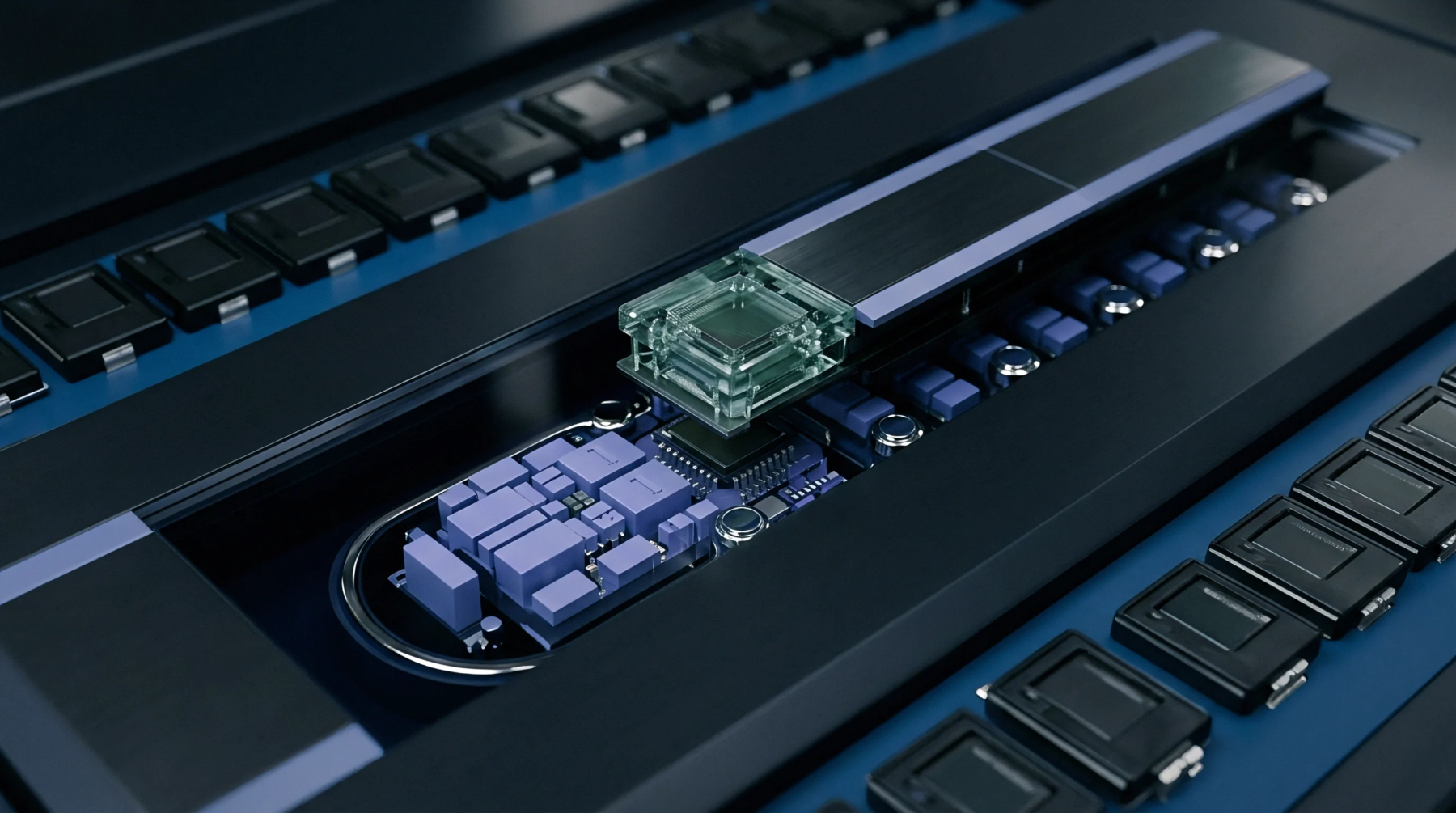
Operational durability metrics define the number of times a test interface can be used before it fails to meet electrical or mechanical specifications. A socket wear life is measured in the total number of insertion and extraction cycles it can withstand during its service. This value determines the replacement frequency in semiconductor and sensor testing environments.
Contact Degradation
Erosion of the contact surfaces is the primary factor that limits the usable duration of a test socket. As the protective plating is rubbed away by repeated contact, the resistance of the connection increases and becomes unstable. This socket wear life is often shortened by the presence of abrasive contaminants or misaligned test components.
Gold and other precious metal platings are typically used to minimize this wear, but even these materials eventually succumb to the friction of thousands of mechanical cycles.
Material Fatigue
Plastic deformation of the housing or the contact springs also contributes to the eventual failure of the unit. When the socket can no longer apply sufficient force to the sensor leads, signal integrity is lost. Manufacturers specify an expected count of cycles under ideal conditions as a baseline for the user.
Maintenance Interval
Regular inspection and cleaning are used to maximize the number of cycles before the part must be scrapped. High volume facilities often use automated counters to trigger preventative maintenance before the wear affects the yield of the test process. Once the limit is reached, the socket is replaced to prevent false failures in the tested components.