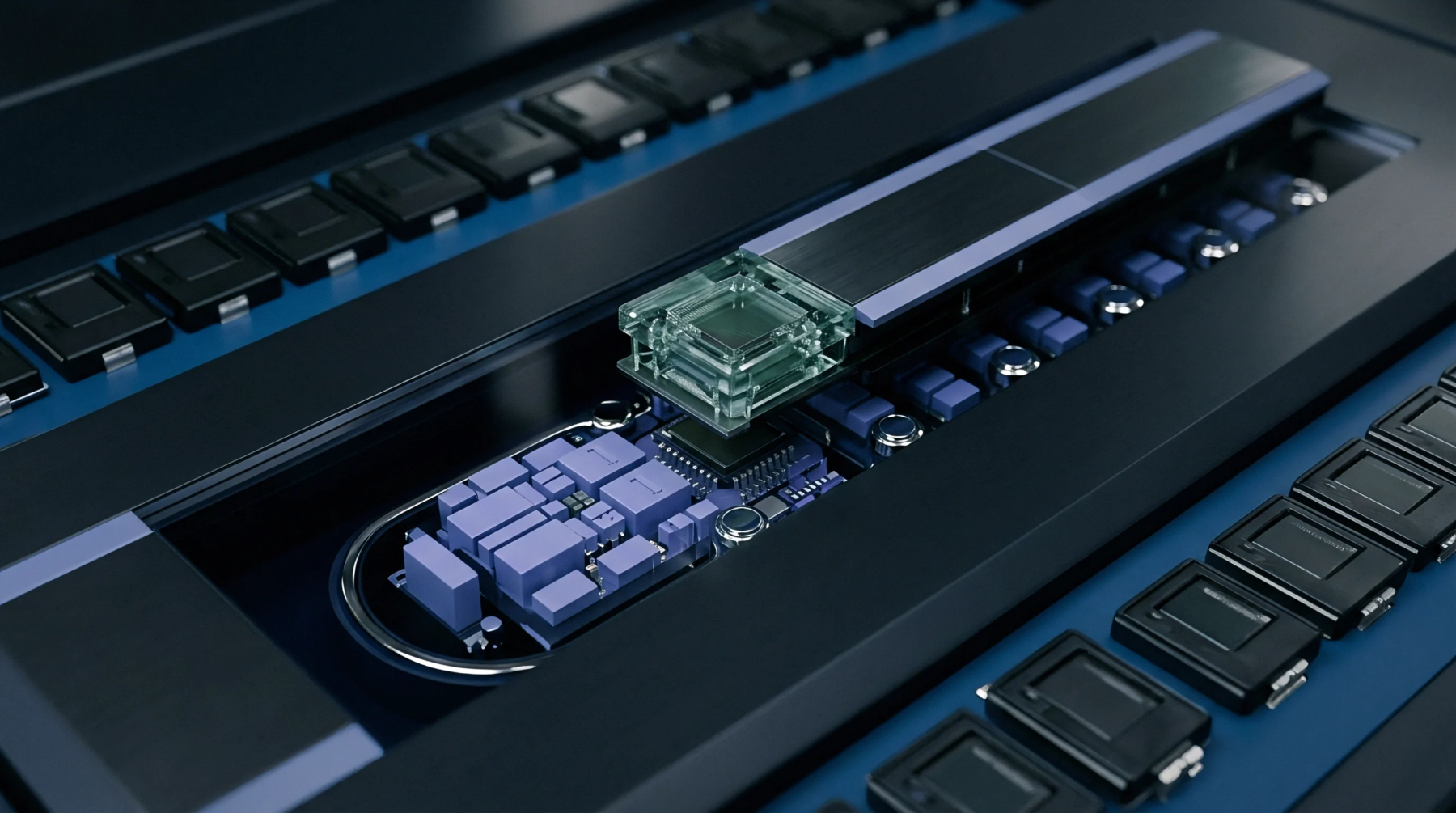
Cyclic Loading
Mechanical degradation modes limit the functional lifespan of spring loaded test probes used in automated electronics validation. Constant pogo pin contact fatigue occurs as the internal spring and external plunger undergo thousands of compression cycles. This process eventually leads to a loss of contact force and increased electrical resistance.
Over time, the material simply loses the ability to return to its original shape. This wear is inevitable in high volume production environments where speed is prioritized over mechanical rest periods.
Spring Degradation
Repetitive stress on the internal spring wire causes microcracks that reduce its elastic recovery. When pogo pin contact fatigue sets in, the pin may not fully return to its original height, resulting in intermittent connections. This spring failure is the primary cause of downtime in high volume test fixtures.
Plating Wear
Friction between the plunger and the barrel erodes the gold plating that ensures low resistance. As the base metal is exposed, oxidation creates an insulating layer that interferes with signal accuracy. Measuring the contact resistance over time provides a clear indicator of the wear level.
Electrical Failure
Debris accumulation within the barrel accelerates the wearing of the moving parts. Periodic cleaning and lubrication can extend the life of the pins, but the physical limits of the material always dictate a final replacement schedule. Most high volume facilities track the number of cycles to predict when these probes will fail.