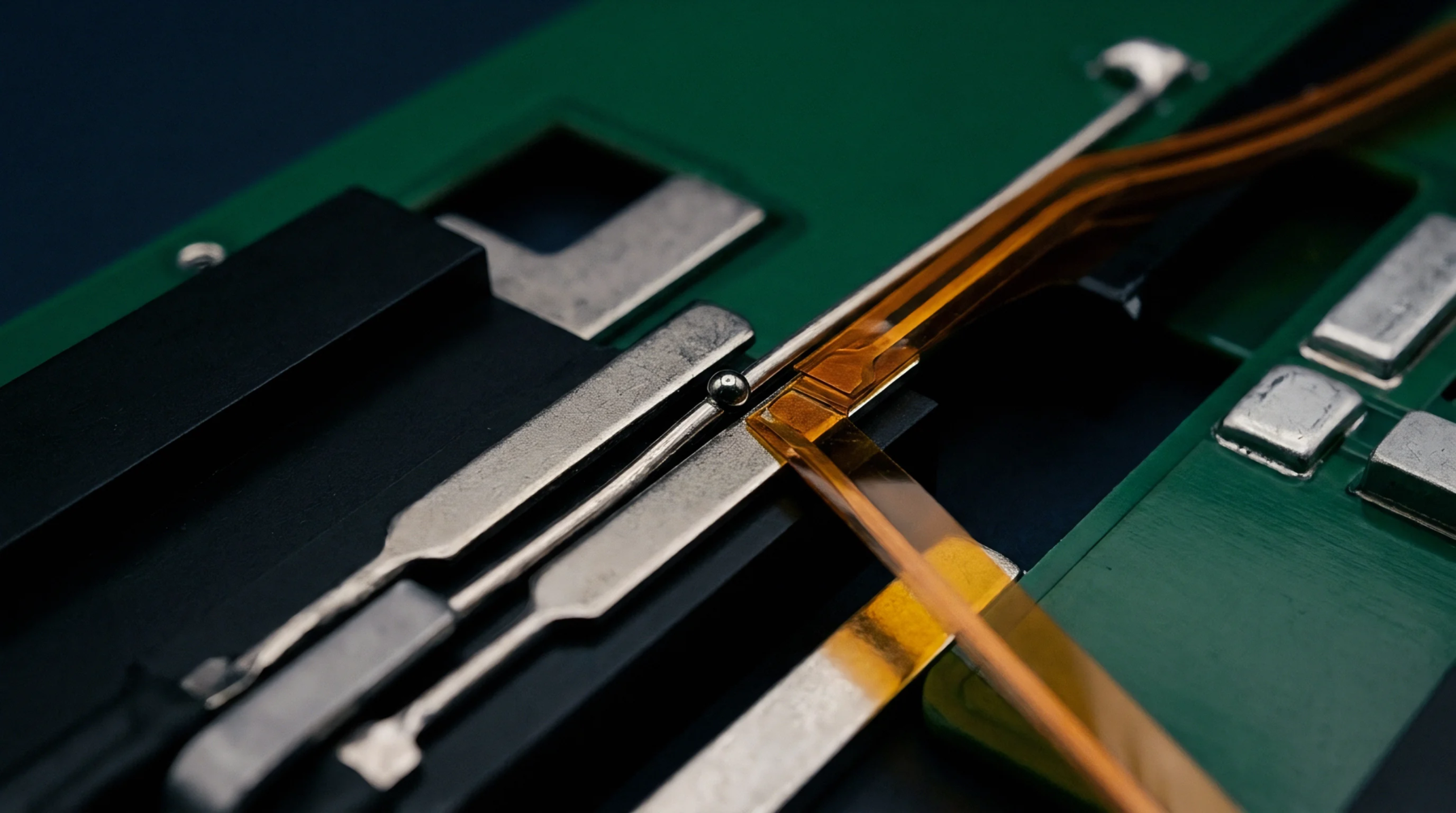
Machining Method
Mechanical cutting processes that carve out elongated holes or slots in a circuit board create physical boundaries between different functional regions of the substrate. For high-voltage boards or mechanically sensitive areas, slot routing provides clean physical separation that isolates high potentials and blocks vibration. This method prevents electrical tracking across contaminated surfaces and stops mechanical stress transmission through the fiberglass laminate.
By removing material along designated boundaries, the process improves electrical and mechanical isolation.
Structural Decoupling
Machining away a portion of the glass-epoxy matrix stops mechanical forces from traveling across the board surface. When heavy components or mounting screws flex the laminate, the routed slot acts as a barrier. This barrier preserves adjacent solder connections.
Cutting Parameter
Tool wear and feed rates must be optimized to ensure that the edges of the slot do not suffer from delamination or loose fibers. Standard multi-flute router bits must spin at high speeds to achieve a smooth finish. This prevents short circuits along exposed glass bundles.
Board Integrity
Removing material reduces the local stiffness of the board, which can lead to sagging during wave soldering if the slots are too large. Support fixtures must be used to hold the panel flat. This step prevents deformation.