Thermal Topography
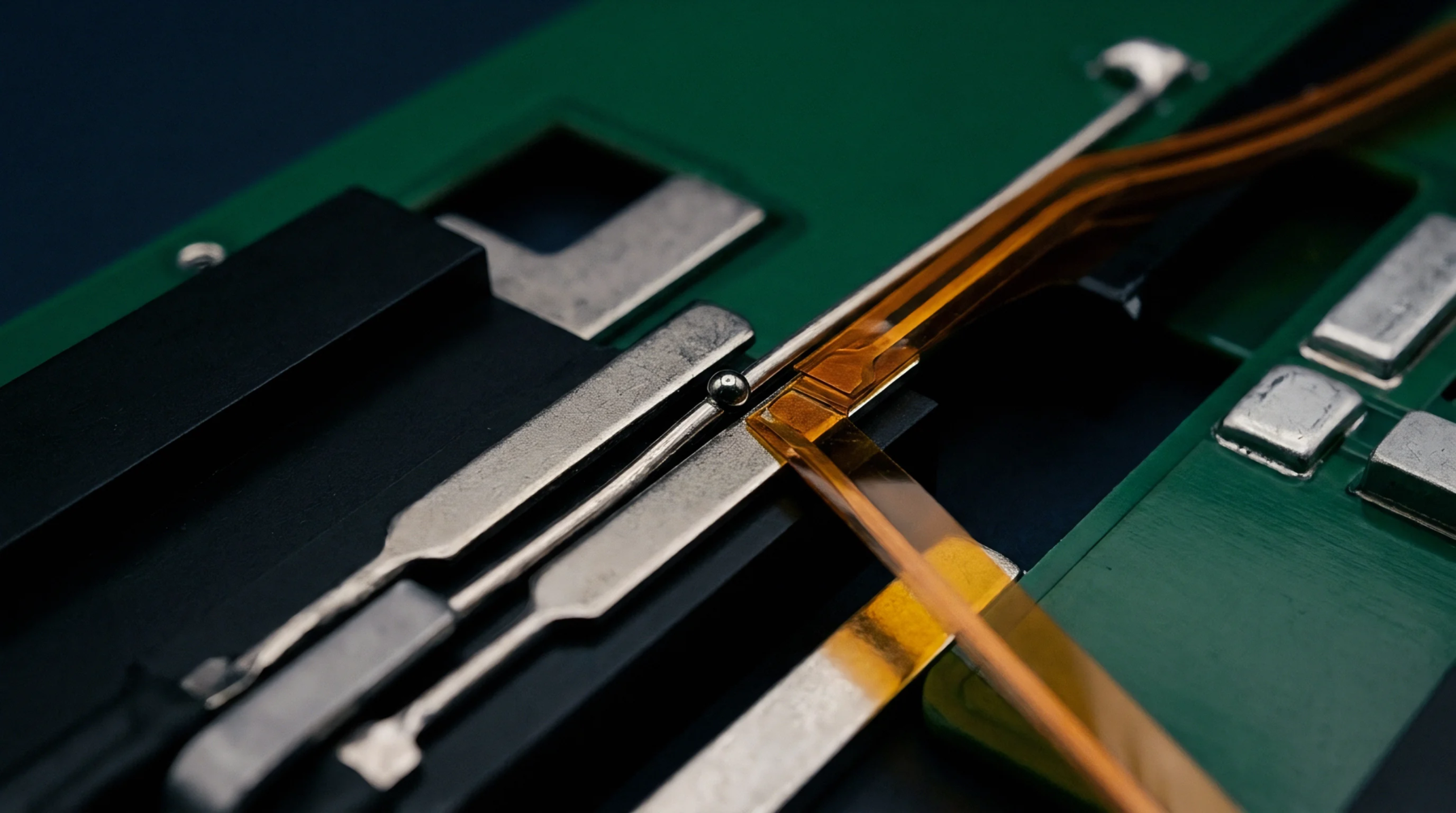
Temperature differences across the surface of a circuit board create spatial variations that influence sensor accuracy. Managing pcb thermal gradients requires distancing precision voltage references from high energy voltage regulators or processors. These differences induce error voltages through the thermocouple effect at dissimilar metal junctions.
Spatial Gradient
Heat flows from warm zones to cool zones in a predictable curve determined by copper density. When pcb thermal gradients are steep, identical components placed in different areas will output differing values despite seeing the same electrical input. This spatial drift ruins common mode rejection in differential amplifier stages.
Error Mitigation
Layout symmetry helps neutralize the influence of localized heat by exposing both inputs of a signal pair to identical temperatures. Controlling pcb thermal gradients involves the use of copper pours to flatten the temperature profile near high sensitivity inputs. High resolution converters require this uniformity to reach their full bit depth.
Calibration Boundary
Testing confirms that the delta between two board locations remains within half a degree Celsius during high power events. If pcb thermal gradients shift rapidly, the resulting drift exceeds the ability of digital algorithms to compensate for sensor inaccuracies. Engineers verify these gradients using infrared mapping during the prototype phase.