Dimensional Stability
Materials within electronic assemblies change their physical size as temperature increases during power cycles. Measuring package thermal expansion cte helps engineers predict the mechanical stress between the ceramic component and the circuit board. Mismatched rates lead to cracked solder joints or failed internal connections.
Stress Calculation
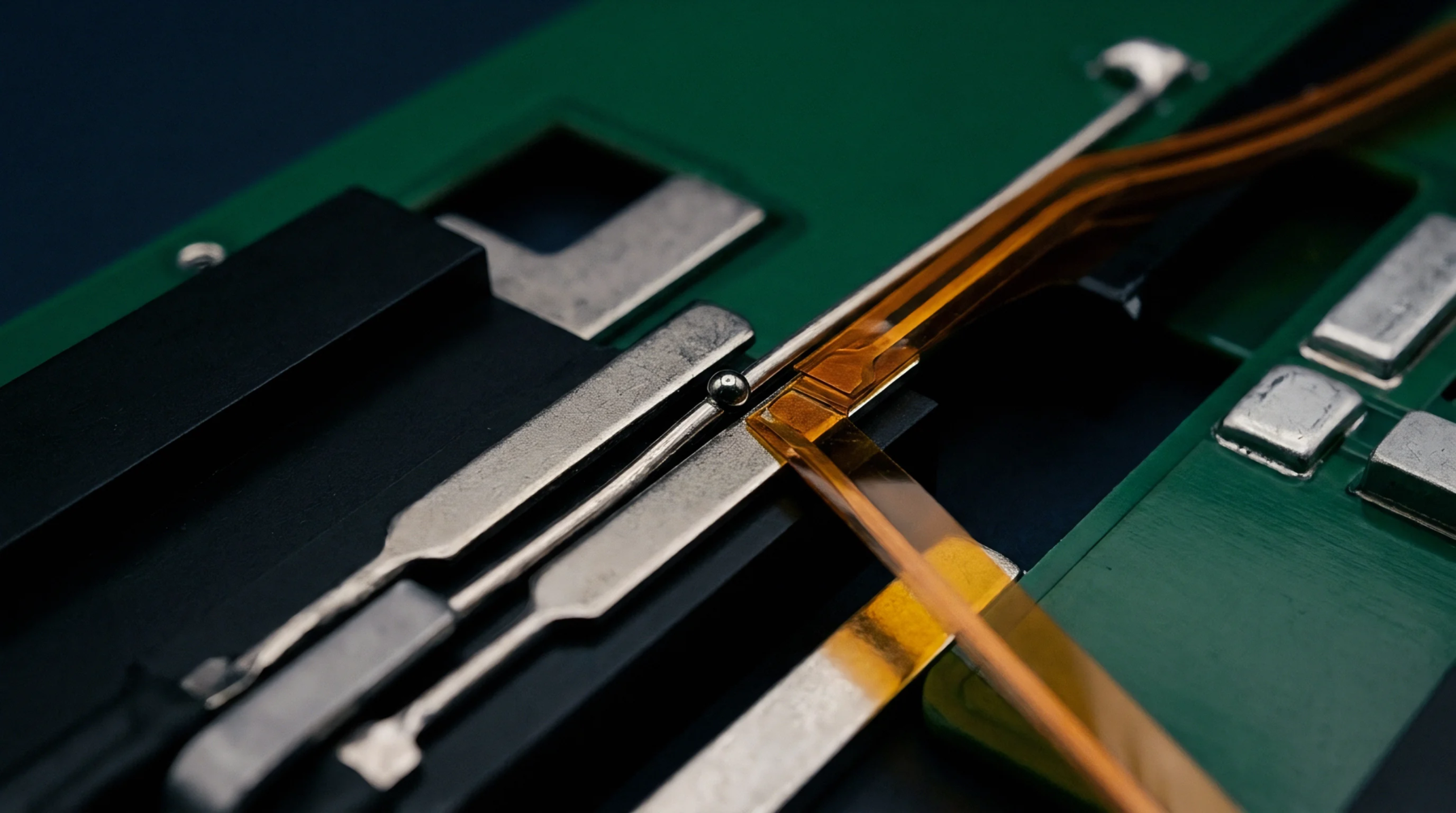
Differential movement between dissimilar materials pulls on the electrical leads as the device warms up. Because package thermal expansion cte differs from the underlying fiberglass base, thermal cycling creates fatigue that eventually shears the bond between the pin and the copper pad. High density packaging uses compliant materials to absorb these shifts.
Material Comparison
Silicon moves less than plastic encasements when exposed to identical energy inputs. Calculating package thermal expansion cte allows designers to specify board coatings that move in concert with the integrated circuit housing. This reduces the pressure on delicate ball grid arrays used in high performance mobile hardware.
Failure Prevention
Reliability testing involves baking parts in environmental chambers to simulate years of operational heat changes. If the package thermal expansion cte exceeds the limits of the chosen solder alloy, the electrical connection will break long before the estimated life cycle of the product. Industrial designs prioritize specific CTE matching to avoid recalls in extreme environments.