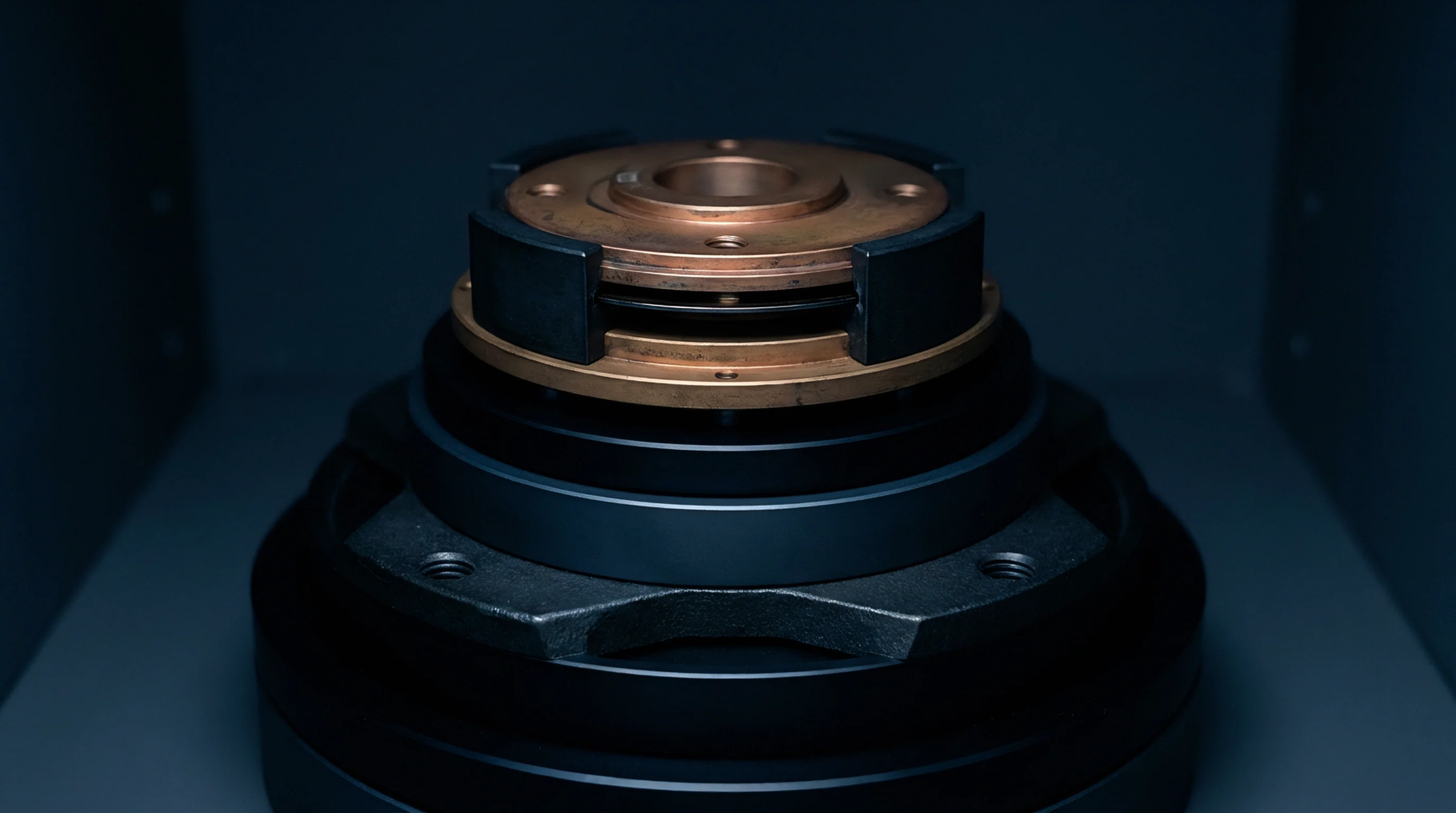
Polymer Stabilization
Polymer processing cycles dissipate frozen-in molecular orientation through controlled thermal conditioning following injection or compression operations. Polymer chains reorganize over time to release residual internal forces generated during rapid cooling phases. Observing mold stress relaxation quantifies the reduction of internal stress in molded components before final dimensional inspection.
Stabilized material structures yield repeatable mechanical properties across production lots.
Viscoelastic Decay
Molecular alignment trapped during rapid cavity filling exerts continuous internal pressure against component boundaries after ejection. Over extended storage or elevated temperature exposure, high molecular weight chains relax into lower energy configurations. Strain sensors embedded in test fixtures measure force reduction as internal energy converts to minor dimensional creep.
Thermal annealing accelerates this internal force release without altering external geometry. Uncontrolled stress release causes warping and unexpected dimensional shifts during subsequent machining or assembly procedures. Standardized hold times ensure consistent dimensional stability prior to final optical metrology.
Dimensional Shift
Creep rate measurements indicate how component dimensions change as internal stresses subside over time. Environmental temperature variations influence the decay velocity of internal residual forces. Inadequate mold stress relaxation leads to premature component failure under static operational loads.
Tolerance Boundary
Quality control specifications dictate allowable dimensional drift following thermal stress release steps. Acceptance limits bound maximum allowable distortion for qualified molded parts.