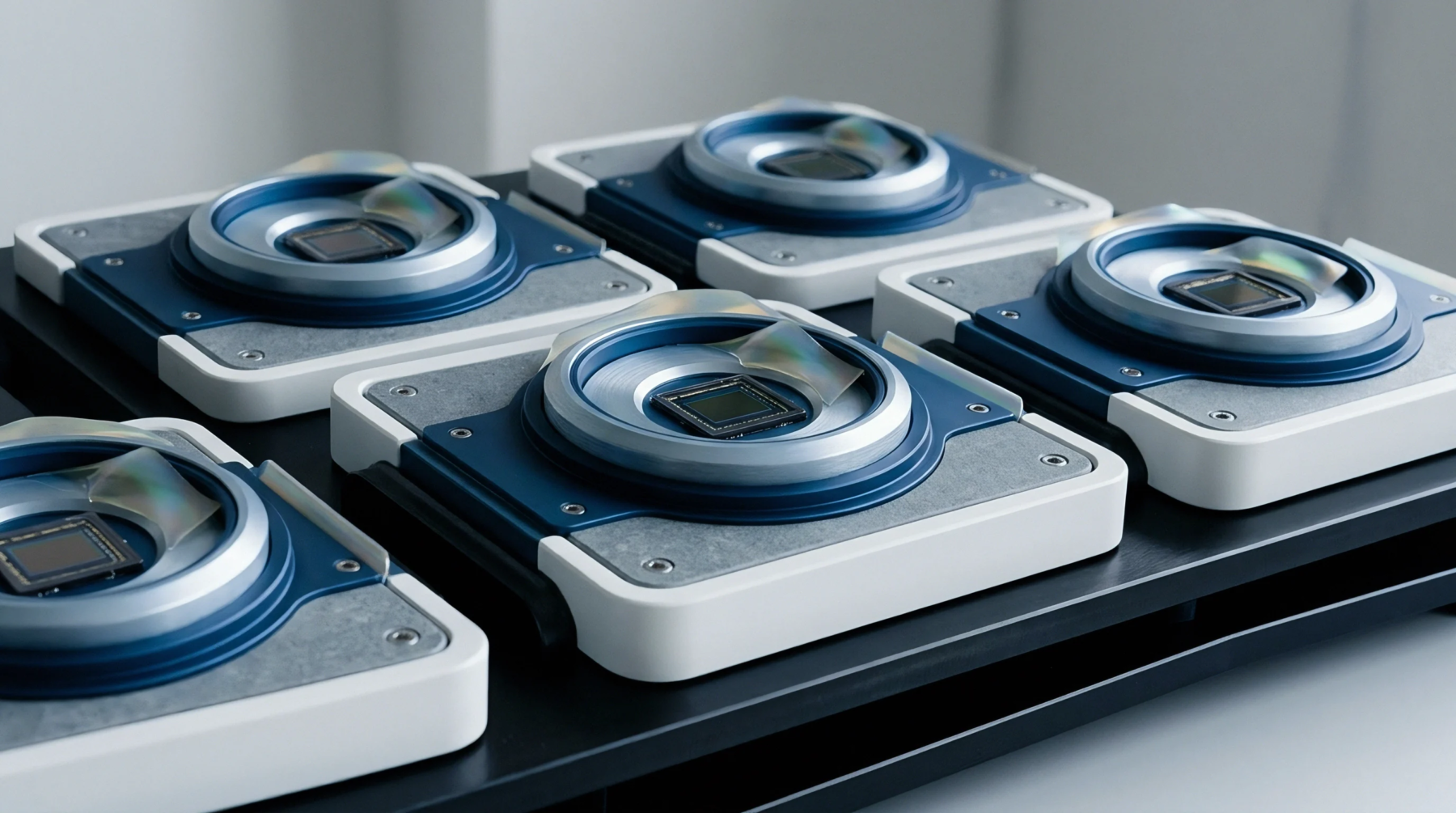
Thermal Redistribution
High-conductivity metallic or graphitic material minimizes localized temperature spikes by increasing the effective surface area of a heat source. A heat spreading layer moves energy away from an active semiconductor junction toward a larger heat sink or convection area. Designers specify this component when the power density of an integrated circuit exceeds the passive dissipation limit of the base substrate.
Its performance depends on the thermal conductivity of the material and the physical thickness of the deposit. Verification involves infrared thermography or micro-thermocouple probes under constant power conditions to map temperature gradients across the device surface.
Application Integrity
Proper adhesion between the heat spreading layer and the underlying die prevents the formation of air gaps that trap heat. Engineers quantify the bond quality through thermal resistance measurements which indicate the efficacy of the interface. Failure in this contact leads to accelerated degradation of the electronic component.
Manufacturers use automated optical inspection to confirm that the deposition covers the target area without overlapping sensitive bond wires or signal pins. Consistent surface preparation ensures the removal of contaminants that might otherwise create thermal bottlenecks.
Metrological Tolerance
Qualification of the layer relies on standardized test benches that mimic operational loads in controlled environments. Laboratory personnel verify the lateral conductivity against reference samples under steady state conditions to remove transient measurement errors. Variations in the thickness of the material introduce drift in the expected thermal response because the conduction path length changes.
Calibration of the sensor equipment must occur within the specific temperature range of the intended application to ensure the data remains accurate. Standards define the permissible deviation from the calculated thermal resistance values at the junction.
Operational Constraints
Environmental humidity and oxidation cycles alter the surface characteristics of metallic layers over extended periods of operation. These changes occur because the interaction with oxygen increases the electrical and thermal resistivity at the boundary layer. Protective coatings often cover the material to mitigate long term degradation caused by atmospheric exposure.
Mechanical stress from differential thermal expansion between the layer and the die substrate introduces cracks that interrupt the flow of energy. Fractures in the material increase the localized resistance and force the system to operate at higher average temperatures than the original design specifications intended.