Interface Separation
Separation of a vitrified bonding material from a metal or ceramic substrate constitutes a structural breach in hermetic enclosures. Glass seal delamination typically occurs when the chemical or mechanical bond at the interface weakens under environmental stress. The defect terminates the hermetic protection of internal sensor electronics and allows moisture ingress.
Bond Integrity
Thermal cycling induces differential expansion between the glass and the header. If the surface preparation is inadequate, glass seal delamination initiates at microscopic voids. High cooling rates during the manufacturing process also contribute to internal shear forces.
These forces eventually overcome the adhesive strength of the oxide layer. The presence of an overly thick oxide layer results in a brittle transition that fractures easily. Contamination on the pins prevents the molten glass from wetting the metal surface uniformly.
Refraction Inspection
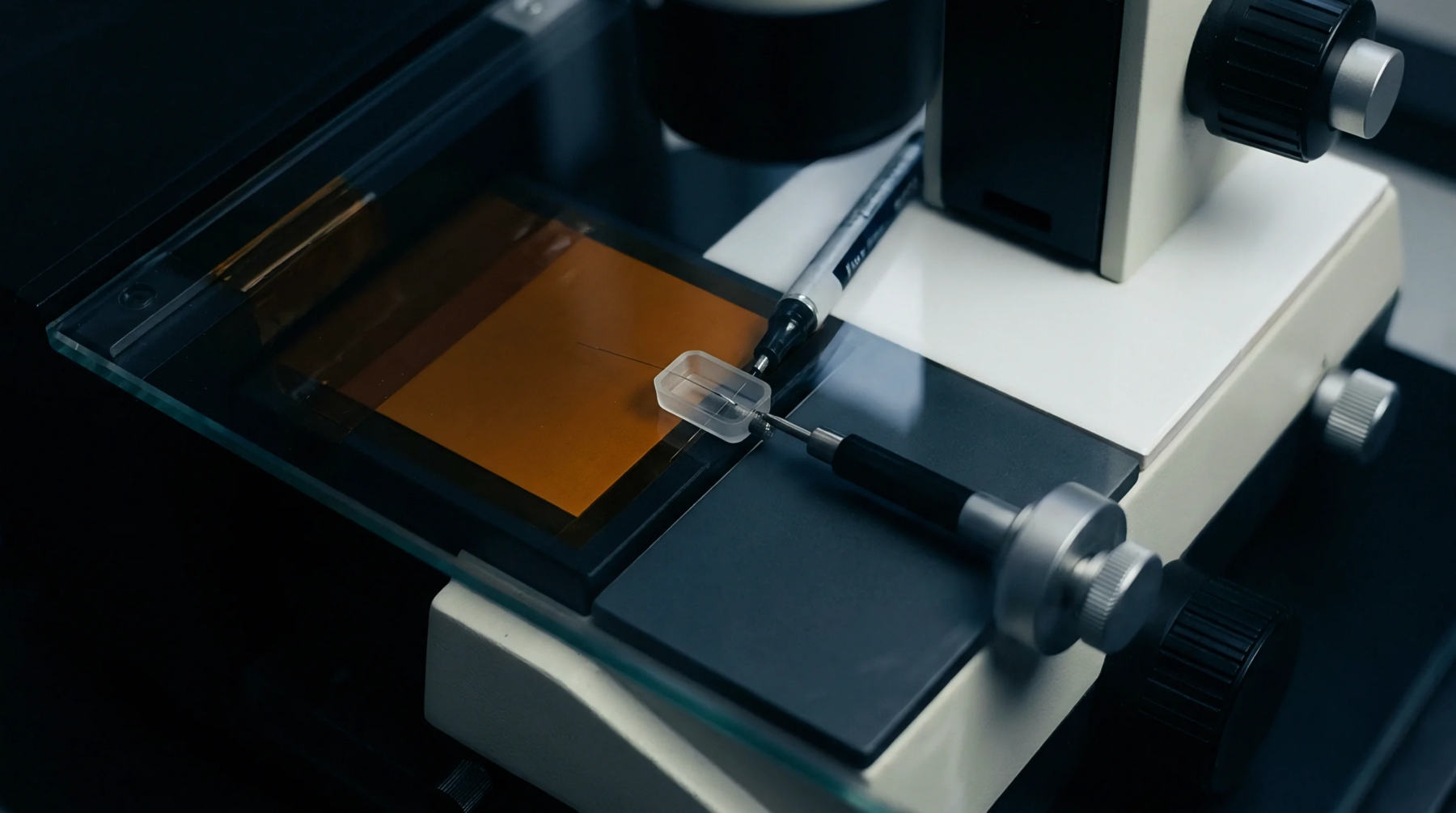
Optical microscopy provides the primary means of identifying separation boundaries around lead penetrations. Technicians look for glass seal delamination by checking for refractive index changes at the interface. Helium leak testing confirms whether the physical separation has created a continuous path for gas flow.
Compression Reliability
Compression seals rely on the outer ring to maintain inward pressure on the glass. Because the material remains under constant load, glass seal delamination is less common in these designs than in matched seals. The failure remains a risk whenever the operating temperature exceeds the annealing point of the glass.