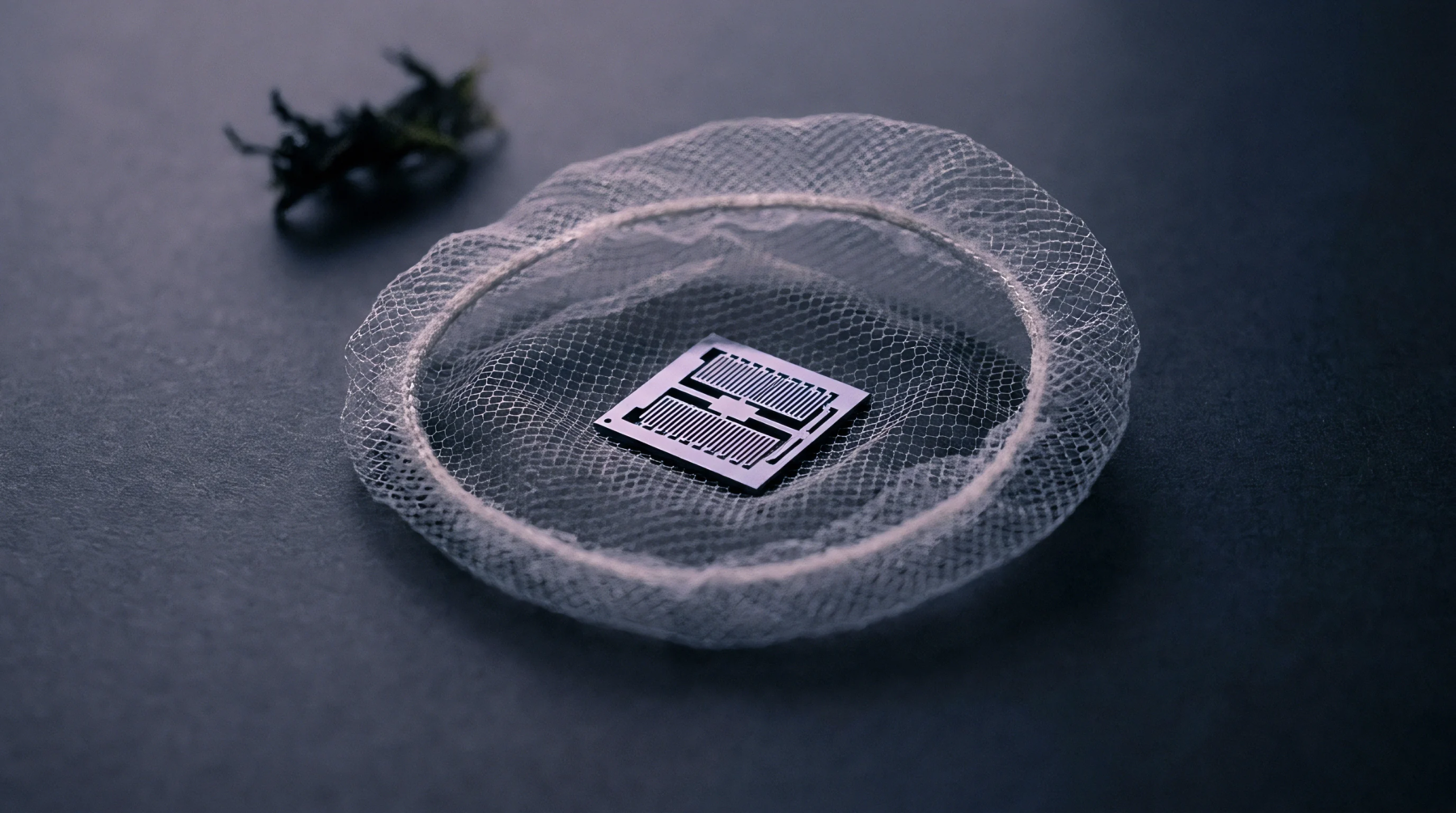
Component Equivalence
A functional surrogate maintains system continuity when an existing module reaches the end of its useful life or fails to meet updated operational demands. This drop-in replacement occupies the physical footprint and utilizes the same electrical interfaces as the original hardware. Engineering teams verify these units by matching voltage levels, signal timing, and connector configurations to ensure compatibility with legacy infrastructure.
Mechanical Constraint
Absolute spatial alignment governs whether a hardware swap qualifies under this category. The unit must fit into the enclosure or mounting rack without modifications to the surrounding architecture or mounting hardware. Tight tolerance control remains necessary because even minor deviations in hole patterns or depth can prevent secure fastening.
Integration Metric
Measured performance parameters define the limits of a drop-in replacement within an existing signal chain. Test engineers compare input impedance, frequency response, and thermal output against the baseline specifications of the retiring equipment. Discrepancies between the original datasheet and the surrogate device indicate a potential for impedance mismatch or signal degradation.
Verification procedures mandate that all gain stages and feedback loops remain stable under the new component.
Replacement Validity
Final validation depends on the ability of the device to operate within the established calibration protocols of the host environment. Technicians confirm that the system software acknowledges the surrogate without requiring firmware remapping or logic adjustments. Successful implementation relies on the assumption that the manufacturer maintains the same internal architecture across different production batches.