Error Correction
Mathematical algorithms adjust sensor output to remove the influence of slow, non-mechanical changes in the signal. Drift compensation targets the gradual shift in the baseline caused by aging or thermal gradients. This process maintains the integrity of long-term monitoring data by isolating the actual physical strain from systemic instability.
Without such adjustments, the recorded values would eventually move outside the calibrated accuracy range.
Reference Channel
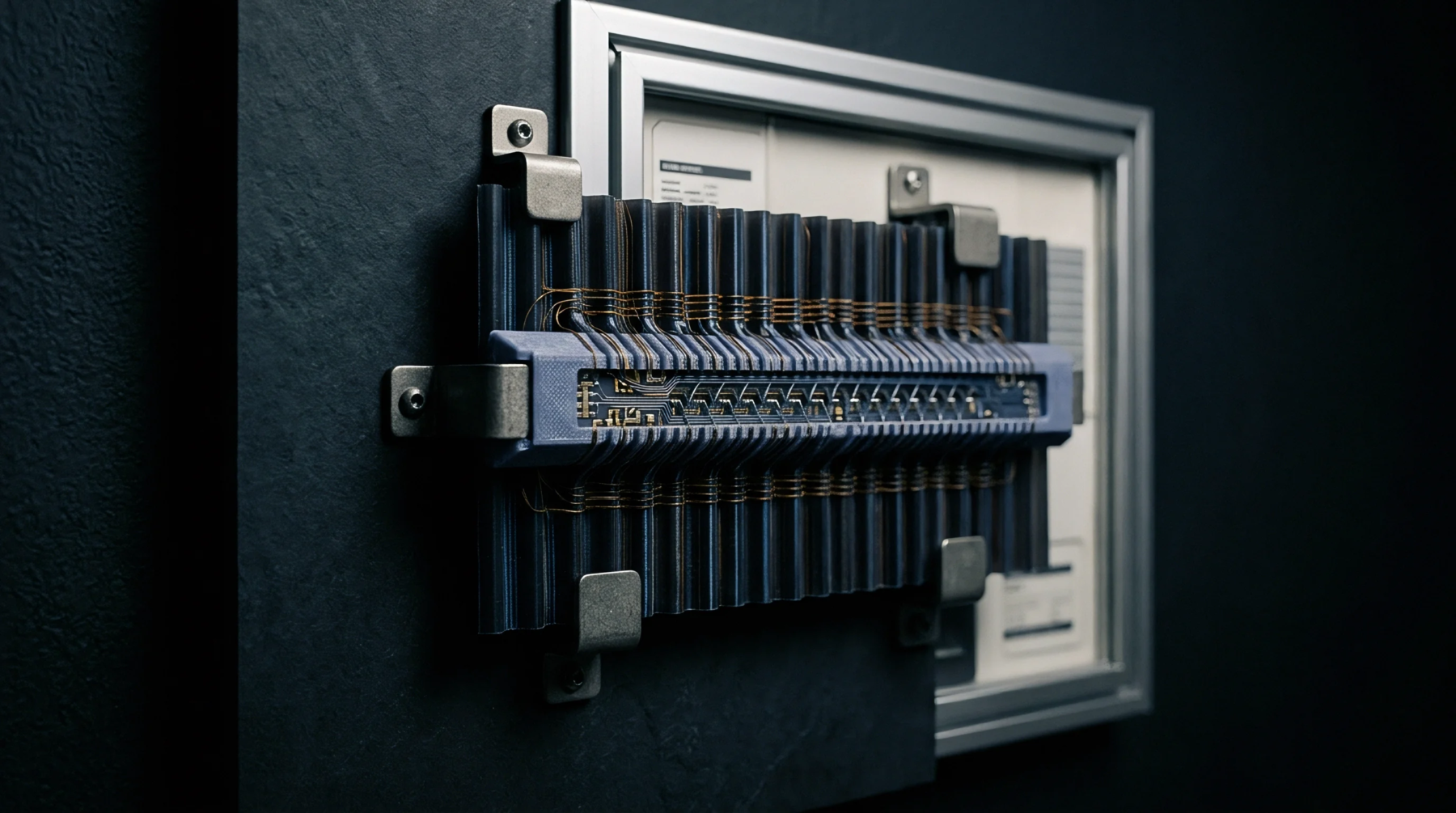
Differential circuits provide a hardware-based method for identifying signal instability. A dummy gauge or an unloaded reference sensor is placed in the same environment to track any changes that are not related to mechanical load. The system subtracts the reference signal from the active signal to provide a corrected output.
Configuration of the circuit in this manner effectively cancels out common-mode errors such as temperature fluctuations or power supply variations. Resulting measurement data represents only the strain acting on the structure.
Temporal Adjustment
Polynomial models describe the expected progression of signal change over the life of an instrument. Instances where physical reference channels are unavailable require drift compensation to rely on these pre-calculated curves to adjust the data. The coefficients for these models are derived from accelerated aging tests conducted during the sensor qualification phase.
Sensors that exhibit unpredictable or non-linear drift are unsuitable for high-precision applications.
Maintenance Interval
Maintenance schedules for sensing networks are often dictated by the rate of uncontrolled signal shift. When the drift compensation reaches the limit of its effective range, a manual recalibration or sensor replacement becomes necessary. Monitoring the magnitude of the applied correction provides an early warning of impending sensor failure or environmental contamination.