Proficiency Testing
Measurement quality assurance programs organize independent evaluations of measurement capability by circulating stable reference standards among multiple participating laboratories. An interlaboratory comparison measures the agreement between independent calibration facilities testing the same artifact under controlled protocols. Operating under ISO/IEC 17043 guidelines, organizing bodies establish reference values using designated master laboratories.
Differences between reported participant values and the established reference value reveal systematic calibration bias, uncompensated environmental sensitivity or improper reference standards. Participating laboratories utilize these outcomes to validate measurement procedures and demonstrate technical competence to accreditation bodies.
Artifact Circulation
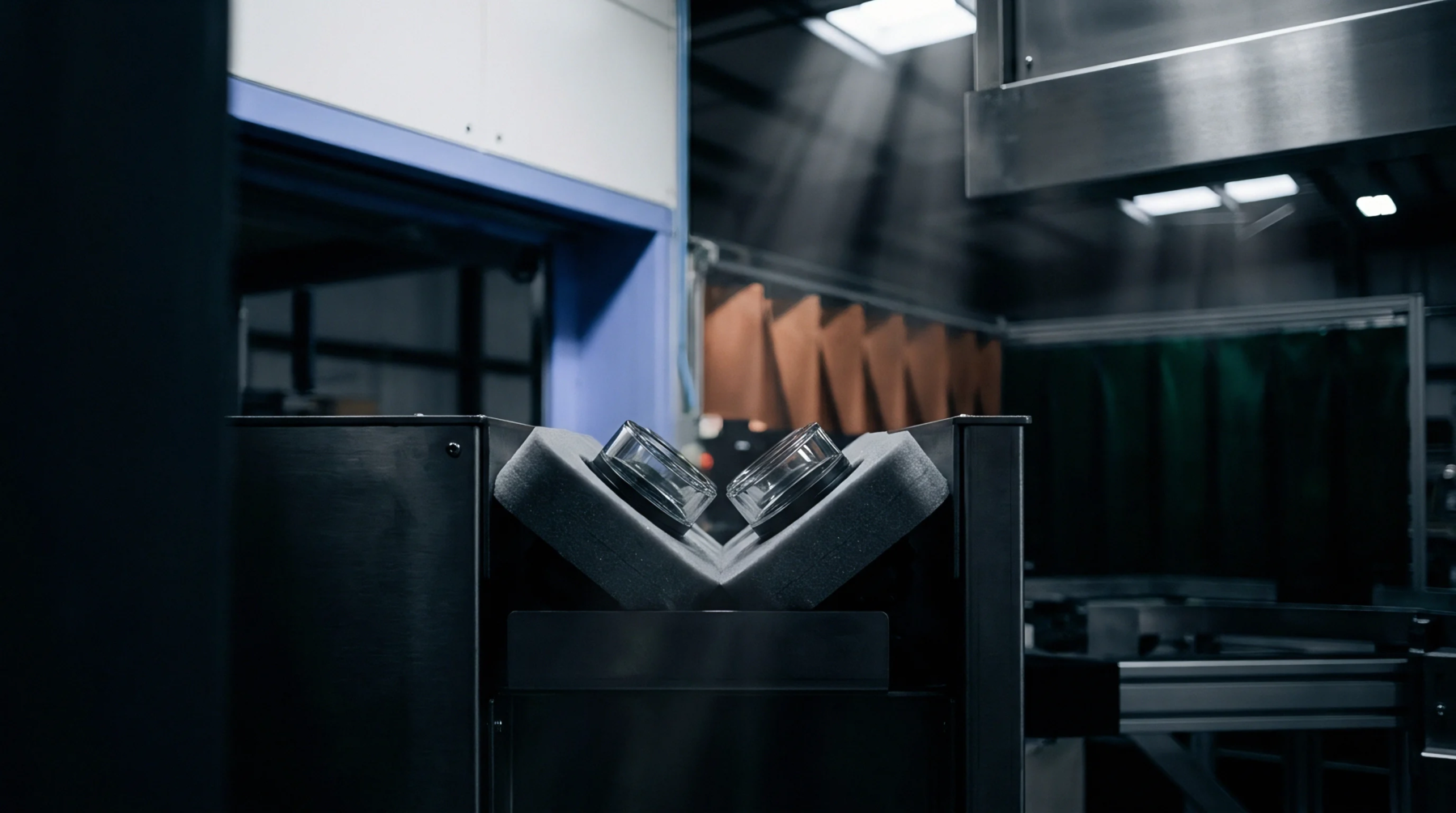
Stable physical artifacts such as precision resistors, pressure transducers or platinum resistance thermometers travel sequentially among participating facilities inside protective shipping enclosures. During an interlaboratory comparison, participants record environmental conditions, raw measurement outputs and calculated expanded uncertainties according to a fixed technical protocol. Handling instructions prevent mechanical shock or thermal damage during transit that would alter artifact stability.
Statistical Evaluation
Participant measurement data undergo statistical analysis using normalized error ratios and z-score calculations relative to reference values.
Accreditation Maintenance
Formal scopes of accreditation depend on successful performance in regularly scheduled proficiency testing rounds. Unresolved measurement deviations identified during an interlaboratory comparison require formal corrective action plans and immediate recalibration of facility reference standards.