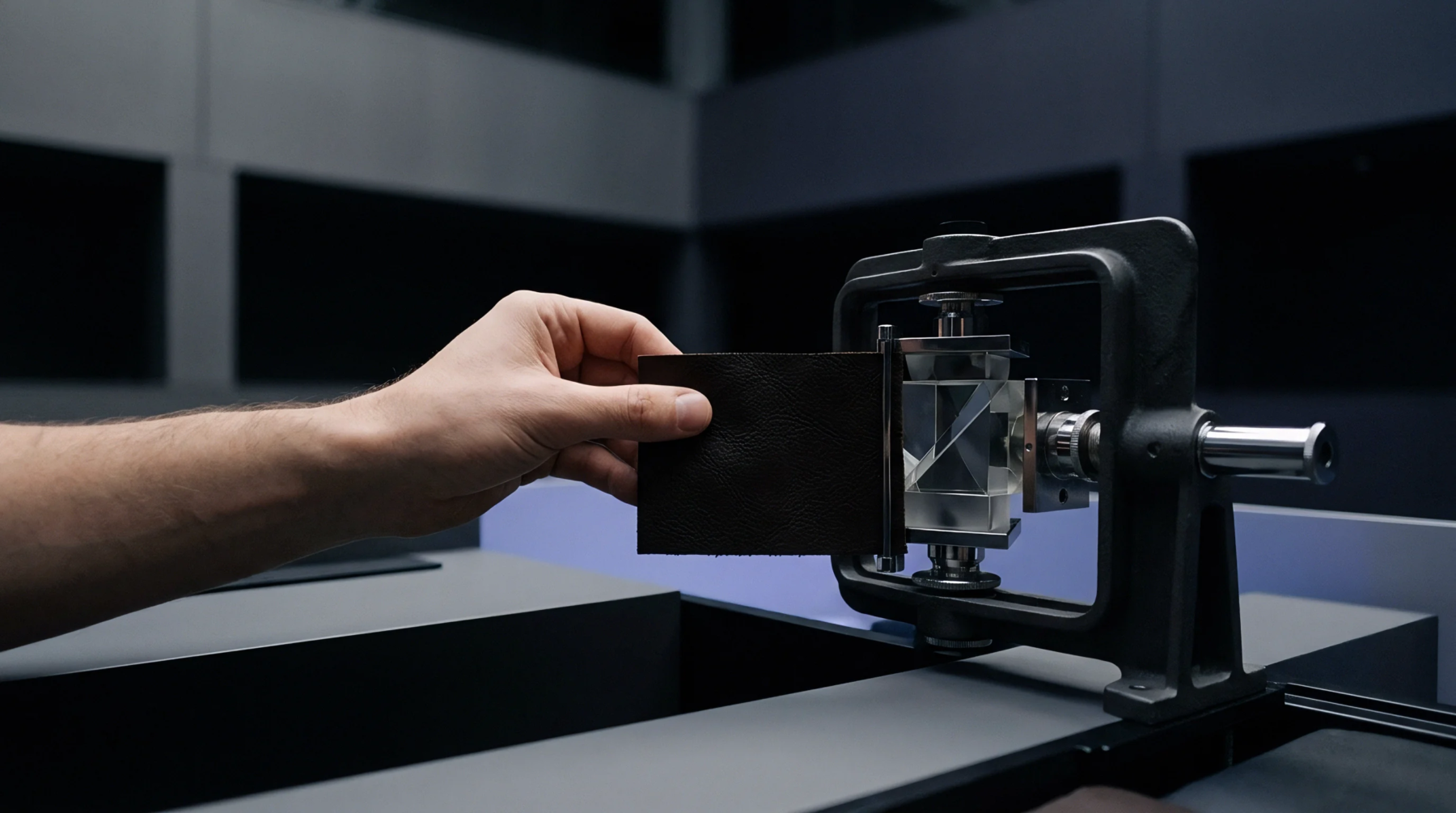
Spectral Control
Alternating layers of non-conductive materials utilize constructive and destructive interference to manage light at specific wavelengths. A dielectric coating achieves higher reflectivity or more precise filtration than a metallic surface. Absorption losses are kept extremely low.
Interference Logic
Stack design relies on the precise thickness of each layer relative to the target fraction of the wavelength. In a dielectric coating, high and low refractive index materials are paired to create a bandgap that rejects certain frequencies. Adjusting the number of layers sharpens the transition between transmission and reflection.
Thermal Load
Absorption of energy is minimal, which prevents the heat buildup common in metallic mirrors. A dielectric coating handles high power densities in laser applications because it reflects the energy rather than converting it to heat. Damage thresholds are measured in joules per square centimetre.
Angle Dependency
Performance of the filter shifts when the incident light arrives at a non-normal angle. Because a dielectric coating relies on path length through the layers, the center wavelength moves toward shorter values as the angle of incidence increases. Spectral alignment must account for this blue shift during the system integration phase to ensure the spectral window remains aligned.
Polarization effects also become more pronounced at higher angles.