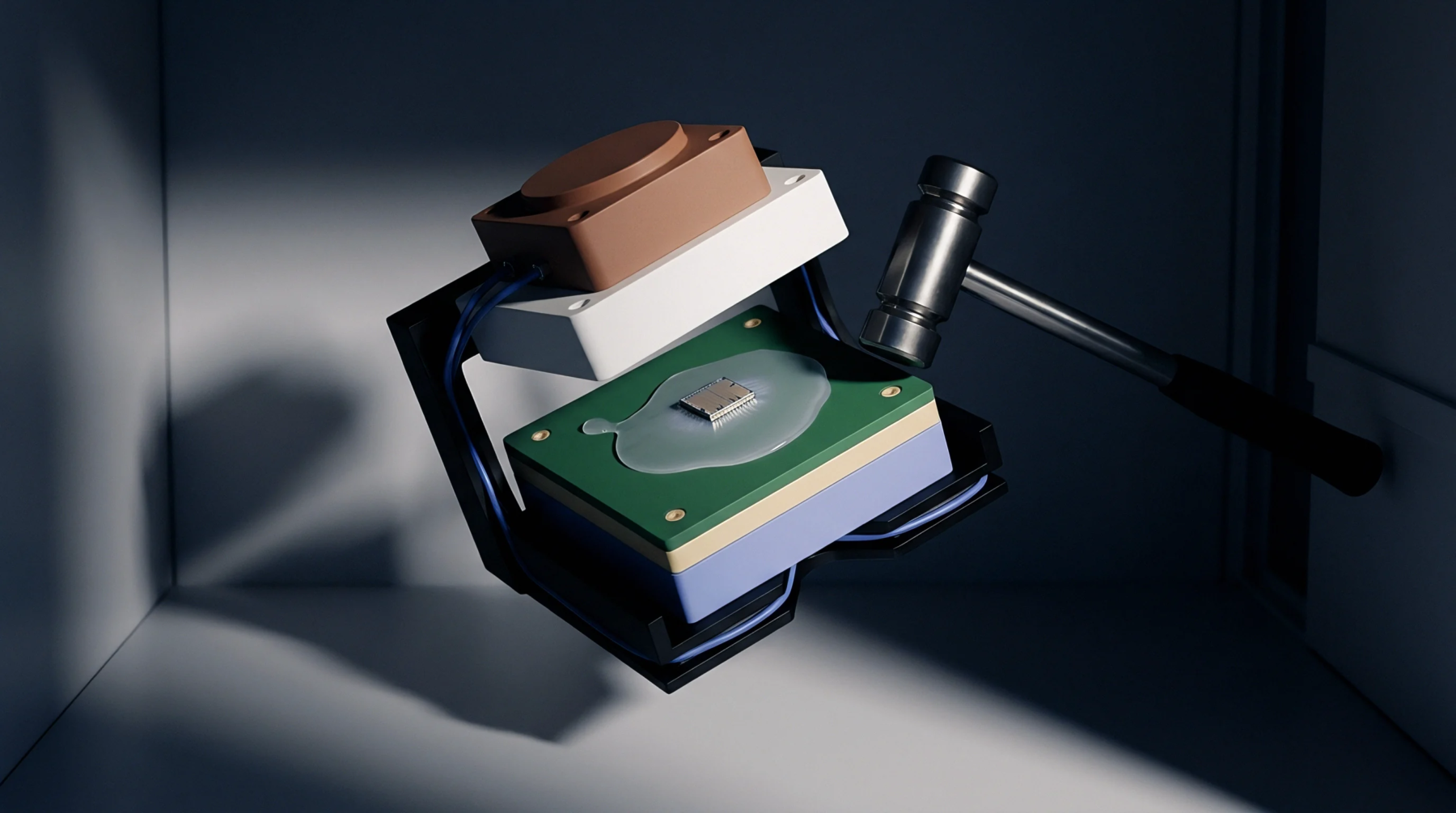
Velocity Gradient
Fluid motion generated by the interaction between an oscillating body and a viscous medium characterizes acoustic streaming. This effect forces steady flow patterns within a liquid through the transfer of momentum from high frequency sound waves to the surrounding fluid. Such secondary flows occur when sound amplitude reaches a threshold that overcomes inertia and viscous damping.
The physical phenomenon relies on the conversion of oscillatory energy into time-independent velocity fields.
Boundary Interaction
Surface geometry dictates the specific path of the fluid particles during the generation of these patterns. Solid walls disrupt the wave front and produce regions of high shear stress near the contact point. Friction forces at the interface convert the acoustic energy into localized steady vortices.
Designers account for these conditions to prevent measurement errors in devices where fluid stability remains a prerequisite for performance. Sensors located near these vortices often experience drift due to the constant pressure fluctuation imposed by the stream.
Systemic Influence
Non-linear behavior emerges in the medium when the intensity of the vibration exceeds the linearity limits of the host material. Pressure gradients push the fluid away from the sound source in a directional manner. These resultant fields influence the transport of particles or gases within a closed system.
Engineers identify the magnitude of this effect by measuring the displacement of tracer particles under controlled frequency inputs. Calibration requires stable temperature conditions because viscosity variations modify the damping coefficients of the host fluid.
Measurement Sensitivity
High precision instrumentation requires accounting for the force exerted by the movement of the liquid across sensing elements. Acoustic streaming creates a parasitic torque or drag component that alters the response of sensitive components. Operators quantify this interference by isolating the mechanical vibration from the resulting fluid current.
Corrective algorithms subtract the predicted velocity field from the raw sensor data to recover the actual measurement value. Stable output depends on the suppression of these non-linear motions within the acoustic chamber.