Thermal Protocol
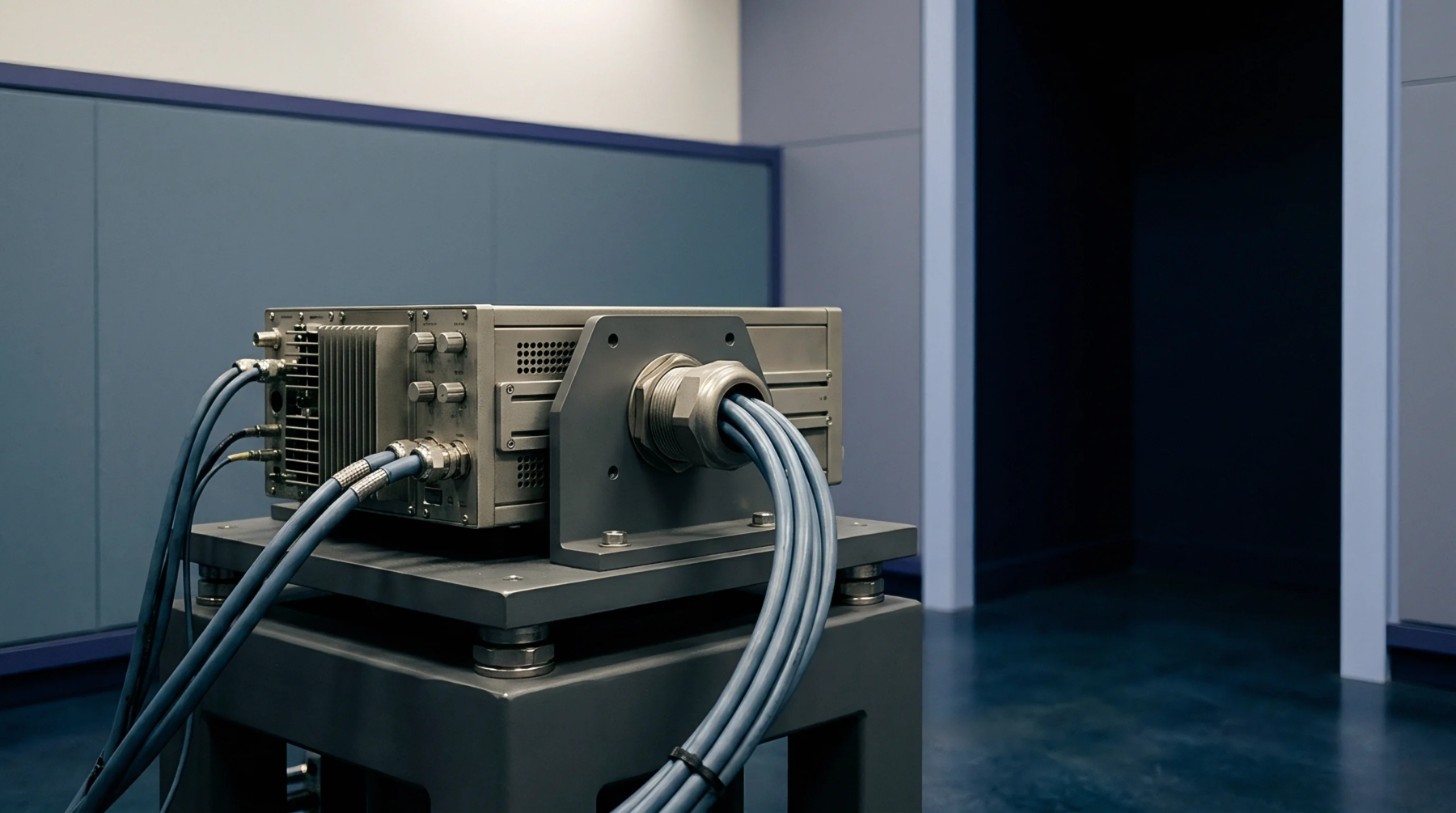
Elevated ambient conditioning applied to newly fabricated transducers forces early metallurgical stress relaxation and eliminates infant mortality failures before final calibration. Accelerated thermal soak subjects electronic measurement cores to extreme temperature cycling under power, exposing latent assembly defects and solder joint fractures that would otherwise surface during field operation. Metrological laboratories govern this cycle using strict temperature ramp rates and dwell durations specified by quality standards, halting the process whenever thermal gradients exceed allowable sensor limits.
Transducer stability depends entirely on removing mechanical memory from the housing and sensing element before baseline verification begins.
Stress Relaxation
Metal components and substrate bonds retain residual mechanical stress from machining, welding, and die-casting operations. Exposing the assembly to repeated thermal extremes forces molecular rearrangement, permanently altering the physical dimensions and internal alignment of the sensing architecture. Calibration drift occurs rapidly if components undergo metrological verification before this structural settling finishes.
Manufacturing facilities apply the soak duration to ensure that every internal layer reaches thermal equilibrium, locking the expansion coefficients into a stable equilibrium.
Verification Baseline
Initial calibration certificates acquire validity only after the thermal conditioning cycle completes and the sensor returns to standard reference conditions. Ambient temperature fluctuations inside the test chamber interfere with raw output voltages, forcing engineers to isolate the measurement channel from convective drafts. Zero-point offset errors measured after the soak indicate whether the internal sensing diaphragm experienced permanent plastic deformation during the extreme temperature peaks.
Metrologists compare pre-conditioning and post-conditioning output voltages to calculate exact hysteresis curves and verify linearity across the operating range.
Operational Drift
Long-term sensor reliability degrades when cumulative thermal fatigue compromises the hermetic seal of the internal cavity. Moisture ingress and oxidation attack the strain gauges over time, shifting the calibration curve outside the allowable tolerance band defined by the manufacturer. Periodic re-qualification protocols test the response time against known reference inputs to detect any lingering mechanical instability originating from incomplete stress relief.