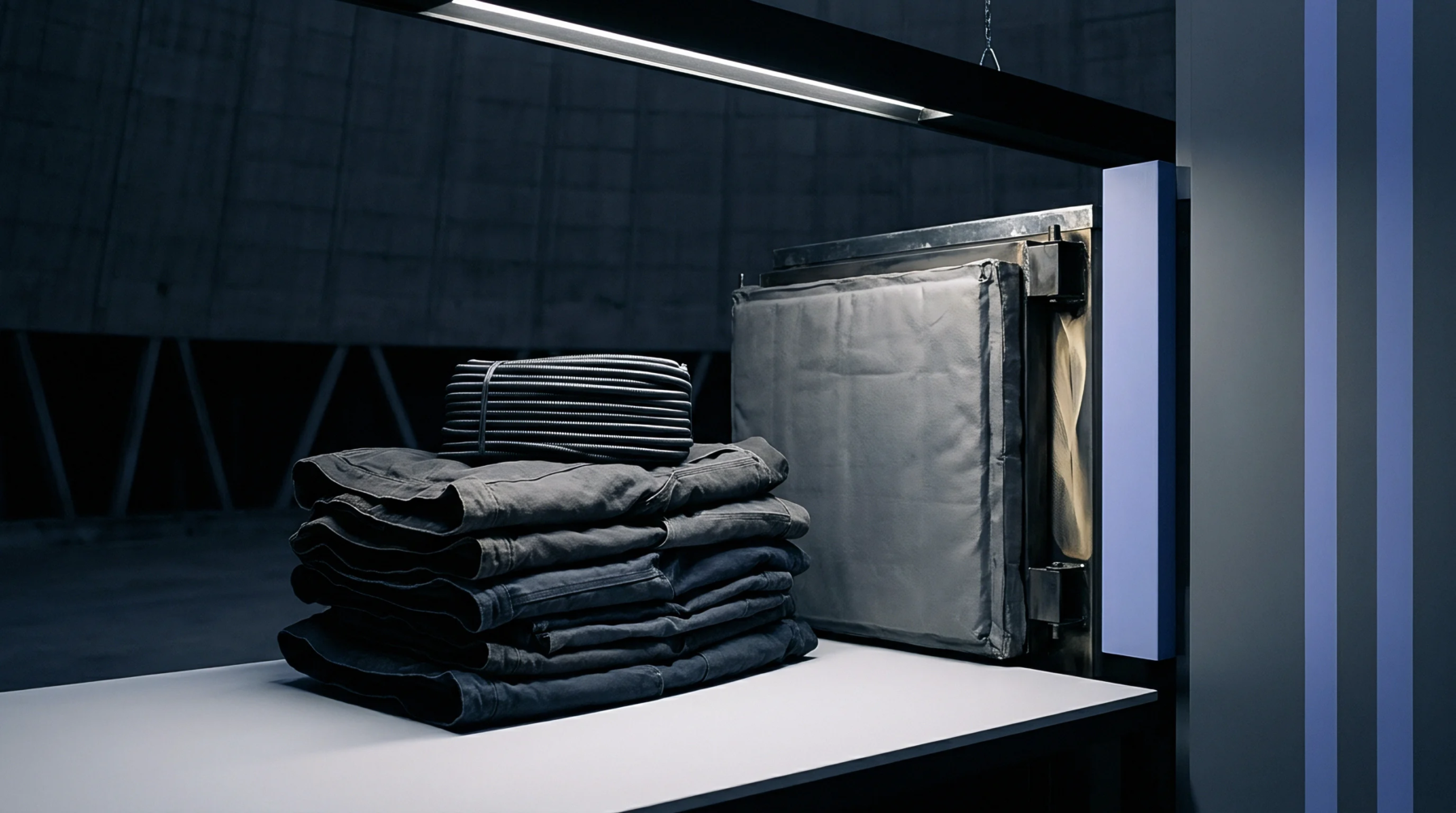
Simulation Chamber
Sealed environmental test enclosures simulate deep space and high-altitude conditions by combining high vacuum pressure levels with precise thermal conduction and radiation control. Thermal vacuum chamber systems evaluate spaceborne sensors, flight instruments, and satellite sub-systems under extreme thermal-vacuum environments. The facility governs space flight qualification testing by removing convective atmospheric heat transfer paths.
Vacuum pumping systems reduce internal pressure below high vacuum thresholds while shroud systems cycle thermal radiation boundaries. Testing limits stop at earth-bound atmospheric pressure operations.
Heat Transfer Mode
Elimination of atmospheric gas leaves thermal conduction through mounting plates and thermal radiation to shroud surfaces as the sole heat exchange mechanisms. Sensors dissipate internal electrical power without convective cooling, elevating internal die temperatures beyond standard laboratory test values. Fluid-cooled thermal platen surfaces control conductive interface temperatures to simulate spacecraft mounting conditions.
Infrared lamps and cryo-shrouds simulate solar radiation and deep space cold sinks.
Outgassing Assessment
Volatile organic material condensate degrades optical surfaces and sensitive sensors under high vacuum.
Flight Qualification
Operational verification records sensor offset stability, scale factor drift, and power consumption during multi-day thermal-vacuum cycles. Quartz crystal microbalances measure mass deposition rates from outgassing package materials during bake-out phases. Sensor performance data collected under vacuum conditions validates space-flight thermal modeling assumptions.
Successful completion clears spaceborne sensor hardware for flight integration.