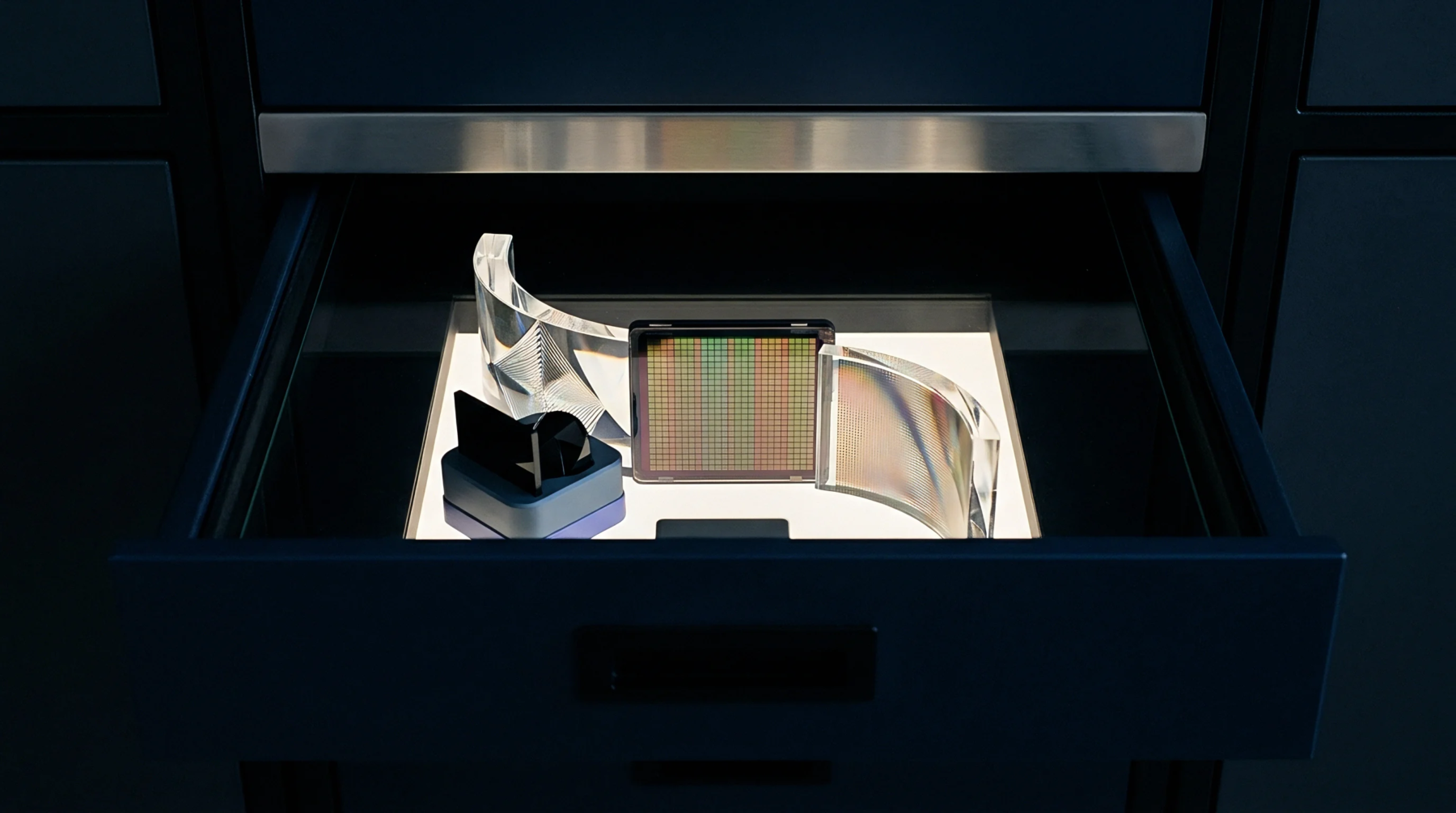
Film Material
Resistive components fabricated from a sputtered metal-alloy film provide exceptional long-term stability and a low temperature coefficient of resistance. Sensor interface electronics utilize tantalum nitride resistors to maintain precise voltage division and current regulation under demanding thermal conditions. This material develops a protective oxide layer that shields the underlying resistor film from environmental degradation.
It is widely specified for the analog front-ends of industrial and aerospace instrumentation.
Metrological Performance
Applying a sputtered layer of this material allows the manufacturer to achieve a very low thermal sensitivity of less than twenty-five parts per million per degree Celsius. Laser trimming systems can easily adjust these resistors to a tolerance of within one hundredth of a percent. This precision ensures that the gain and offset of the amplification circuit remain stable across the entire temperature envelope.
This high stability eliminates the need for frequent recalibration of the sensor.
Harsh Environment
Moisture and corrosive chemicals cannot easily penetrate the self-passivating oxide barrier of these resistors. This resistance to oxidation prevents the typical drift and failure modes seen in less robust metal-film alternatives.
Manufacturing Selection
Designers choose this alloy when the long-term reliability of the measurement chain is paramount. While they are more costly than standard silicon-dioxide or metal-oxide options, the reduction in maintenance and field failures justifies their selection in high-reliability applications. This material represents a critical component in the design of subsea and downhole telemetry systems.