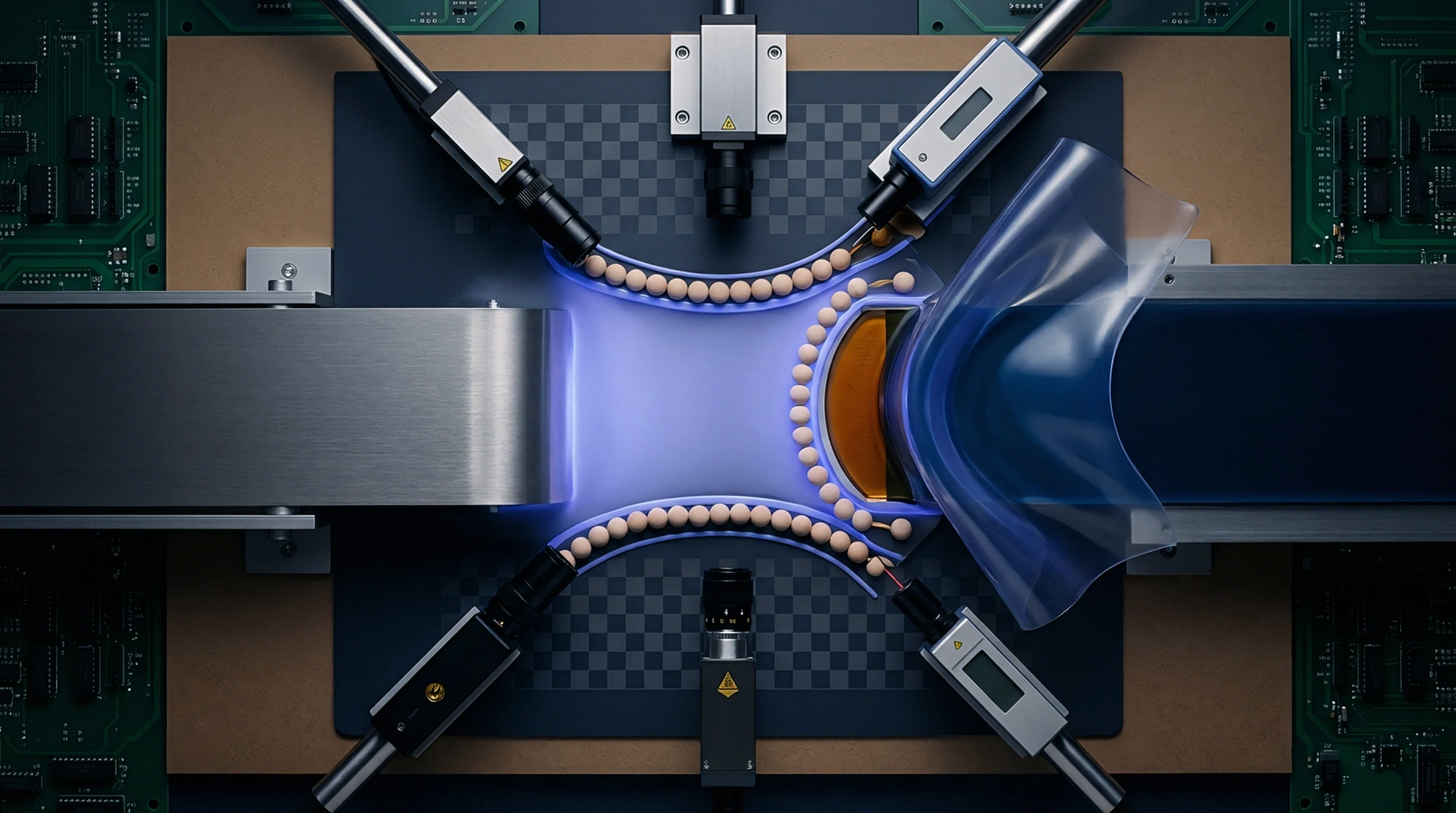
Contractual Risk Allocation Frameworks for Latent Sensor Drift in Subsea Automation
Effective subsea drift allocation links laboratory uncertainty bounds to multi-year offshore vessel extraction caps rather than standard equipment repair warranties.
Electro-hydraulic subsea modules mounted on seabed trees and subsea manifolds translate hydraulic power and electronic control signals into valve movements and sensor data readouts. Operating a subsea control pod coordinates wellhead hydraulic actuators, chemical injection metering valves and monitoring instruments across extreme subsea environments. The mechanical housing incorporates an atmospheric or pressure-compensated shell, high-pressure directional control valves, power supply modules and subsea electronics modules.
High-pressure hydraulic lines and electrical signals enter the pod through wet-mateable hydraulic stab plates and inductive electrical couplers manipulated by remotely operated vehicles. Subsea hydrocarbons flow securely because the internal electronics execute remote surface commands to open production gates, divert flowlines and close subsurface safety barriers. These heavy pods run continuously for decades on the ocean bed, maintaining operational safety during harsh subsea service.
Internal electronics continuously read external sensor telemetry, process internal diagnostic parameters and regulate closed-loop hydraulic valve functions. Signal conditioning modules translate low-voltage analogue signals from seabed pressure transmitters, resistance temperature detectors and erosion probes into digitized data streams. Directional control valves rely on internal linear variable differential transformers to confirm valve spool shifting following electrical solenoid commands.
The pod measures internal environmental health variables, including housing internal temperature, relative humidity, supply voltage quality and dielectric oil moisture levels. Divergent sensor values trigger automated warning packages that surface production software evaluates to schedule subsea maintenance before hardware failures disrupt extraction operations.
Internal directional control valves route clean, high-pressure fluid to hydraulic valve actuators located across the subsea production tree. Solenoid-piloted shear seal valves open and close fluid circuits, venting fluid into the marine environment or returning it along umbilical conduits back to surface vessels. Dual subsea electronics modules run parallel communication channels, ensuring that one electronic circuit failure does not interrupt active valve monitoring or actuator control.
Metal-to-metal seals and fine micron-rated hydraulic filters protect inner valve manifolds against contamination that causes valve sticking or seal washouts. Pod landing profiles incorporate mechanical latch mechanisms that permit specialized running tools and remotely operated vehicles to install, lock and retrieve the pod without disturbing the subsea tree.
Environmental and mechanical thresholds dictate pod retrieval when internal fluid contamination or electrical isolation drops exceed certified operating baselines. Water ingress past primary pod elastomeric seals reduces electrical insulation resistance, which automatically triggers safety shutdown sequences if low-resistance grounding paths compromise communications. Furthermore, directional control valves that suffer eroded shear seals or high leakage rates cannot sustain required hydraulic holding pressures, requiring mechanical replacement of the entire control pod unit.
Subsea intervention vessels must recover degraded pods to surface repair workshops to replace contaminated solenoids, recharge dielectric fluids and renew internal electronic control boards.
Effective subsea drift allocation links laboratory uncertainty bounds to multi-year offshore vessel extraction caps rather than standard equipment repair warranties.
Expertise is a utility, not a secret. sentiention™ publishes its working knowledge as open reference: intelligence layer covering the materials it sources, the markets it enters, and the reference that serves both.