Package Comparison
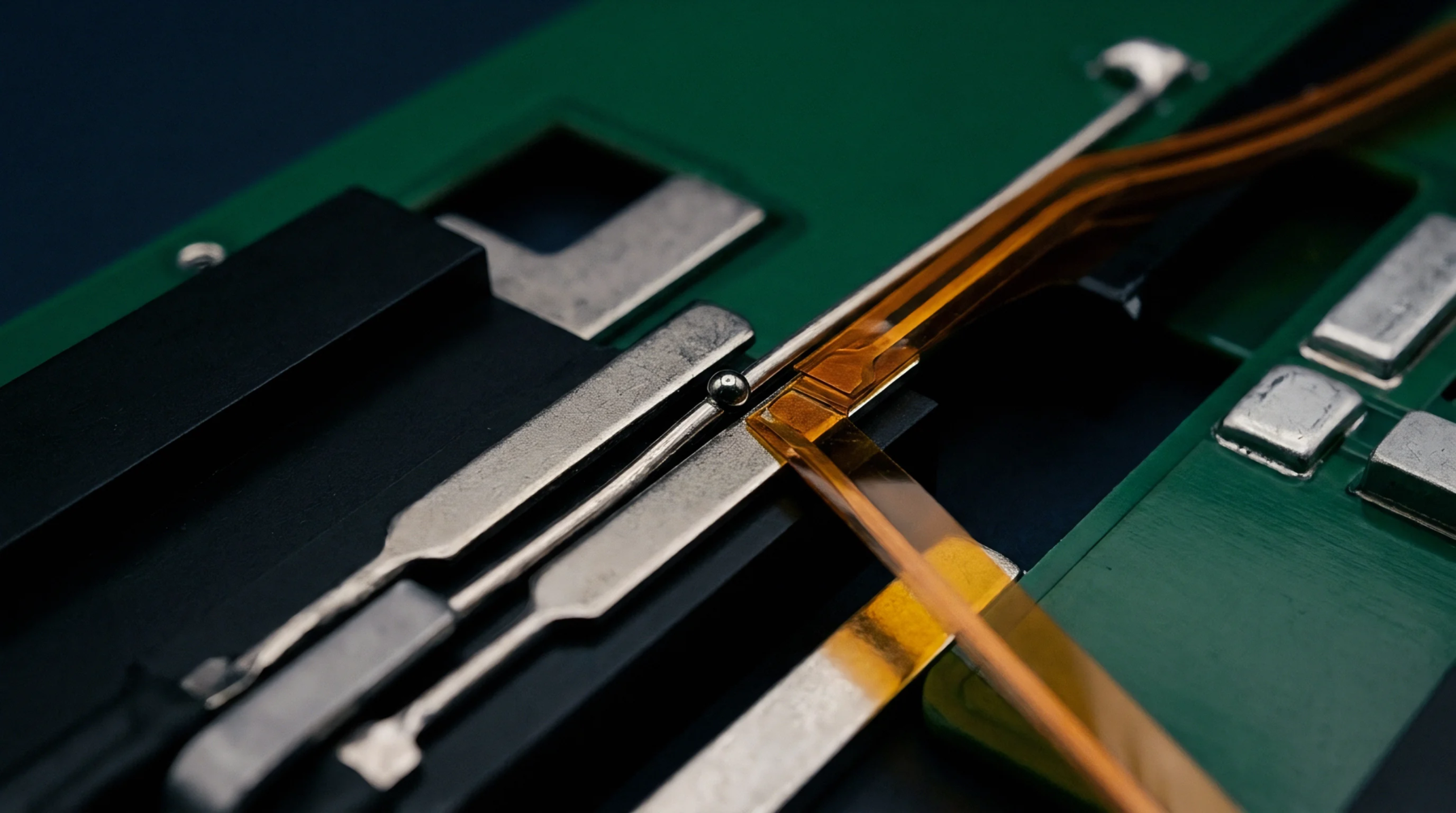
Mechanical force transmission varies significantly between devices using long gull-wing pins and those using flat bottom pads. Evaluating soic-8 vs qfn stress sensitivity shows that larger leaded packages isolate the silicon die better than compact leadless equivalents. This distinction matters for precision analog chips that sit near mounting holes.
Board Tension
Flexible circuit boards bend when fastened into rigid enclosures or when handled during high volume production. Because soic-8 vs qfn stress sensitivity favors the older leaded style, engineers choose the small outline integrated circuit for designs where absolute voltage stability is paramount. The rigid pads of a qfn transfer every micron of board movement into the internal silicon lattice.
Application Context
Space constraints often force designers toward the smaller footprint of the quad flat no-lead package. However, higher soic-8 vs qfn stress sensitivity in the smaller part means the sensor values will fluctuate more if the housing expands under direct sunlight. Mitigating this effect involves placing slots around the component to interrupt the physical strain path.
Design Selection
Hardware teams select the housing based on the resolution requirements of their data conversion chips. While the qfn offers better thermal dissipation, the low soic-8 vs qfn stress sensitivity makes it the superior candidate for multi-year stability. Final choices often balance thermal performance against the risk of piezoresistive error.