Molecular Transformation
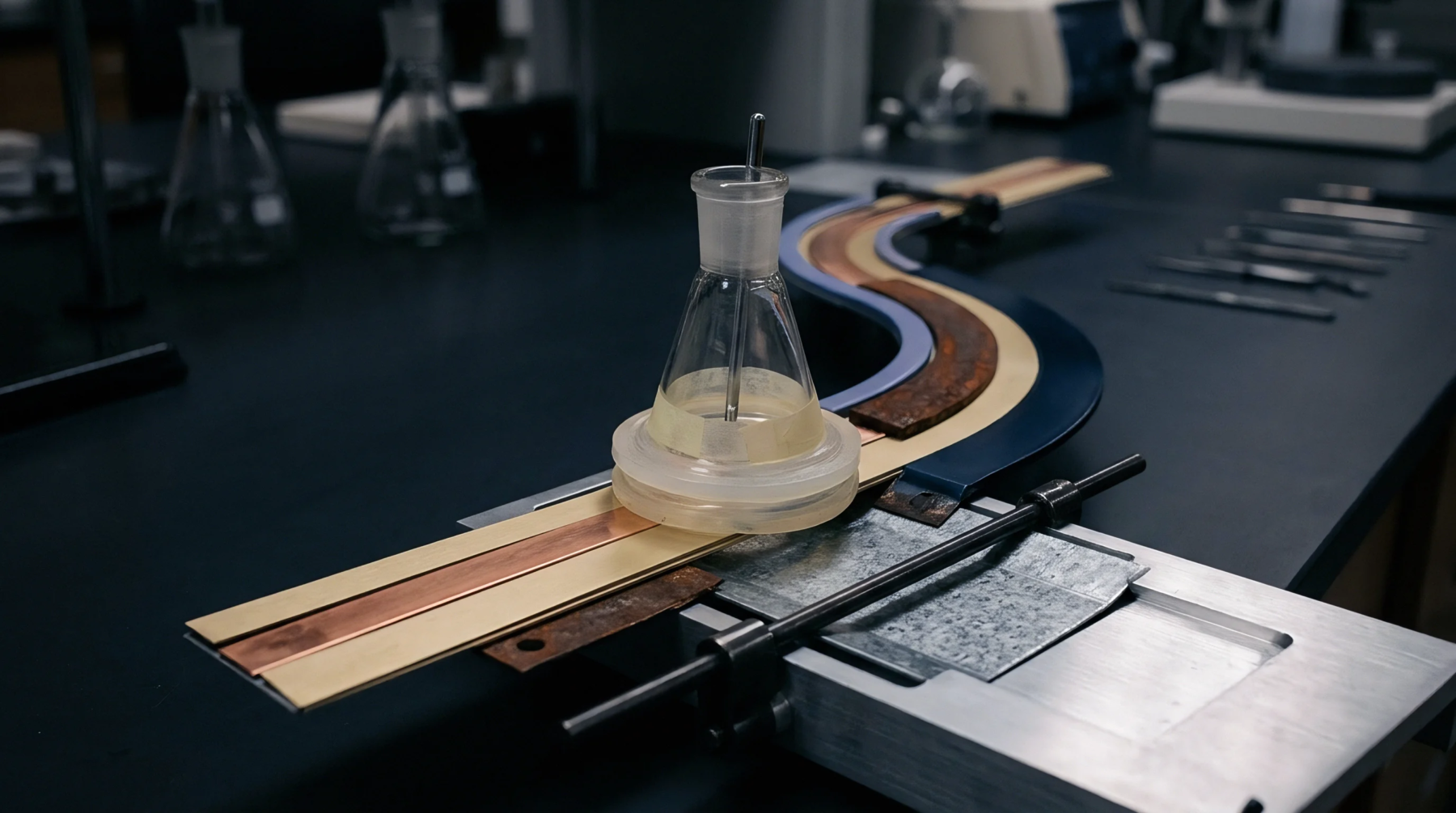
Chemical conversion represents the primary mechanism by which organosilicon compounds react with water to form silanols. During silane hydrolysis, alkoxy groups bonded to a silicon atom exchange with hydroxyl groups to produce stable silicon-oxygen-silicon bridges. This chemical sequence dictates the adhesion properties of coupling agents applied to inorganic surfaces.
Aqueous environments govern the speed and completeness of these reactions through pH adjustment and solvent interaction.
Reaction Kinetics
Precise monitoring determines how fast the conversion proceeds toward the final crosslinked state. Experimental setups track the decrease in alkoxy concentration using spectroscopic methods to quantify the rate of alcohol release. Temperature fluctuations shift the reaction equilibrium by altering the solubility of the silane within the aqueous carrier.
Excessive heat accelerates the formation of unwanted siloxane oligomers before effective surface bonding occurs. Proper control of the reagent concentration prevents the premature precipitation of non-functional polymer particles in the mixture.
Material Compatibility
Selection of specific precursors depends on the chemical nature of the substrate requiring treatment. Glass fibers and metallic oxides require distinct pH levels to initiate effective bond formation at the interface. Manufacturers calibrate the delivery system to ensure the silane hydrolysis creates a uniform molecular film rather than a thick, brittle coating.
Inconsistent coverage leads to delamination under mechanical stress or exposure to high humidity. Stability testing against reference standards confirms the long-term integrity of the interfacial bonds created through this chemical pathway.
Analytical Constraint
Quantitative assessment relies on standardized sampling protocols to verify the extent of the reaction. Laboratory tests isolate the byproduct alcohols to infer the conversion efficiency of the parent compound. Calibration of the sensor or analytical device accounts for the background noise inherent in complex solvent matrices.
Variations in storage conditions introduce drift into the process, necessitating frequent re-verification of the hydrolyzed reagent quality. Absolute control over the aqueous stoichiometry ensures the repeatability of surface treatment results in industrial settings.