Material Standard
Lead-free solder compositions composed of tin and silver along with copper and phosphorus belong to the standard range of electronics assembly materials. This sac305 solder alloy provides a balance of wetting properties, mechanical strength, thermal fatigue resistance and electrical conductivity. It is categorized by its near-eutectic melting point which is approximately 217 degrees Celsius.
Microstructural Profile
Solidification of the melt creates a tin matrix with intermetallic precipitates of silver-tin and copper-tin. Because the sac305 solder alloy contains silver, it exhibits higher creep resistance than older tin-lead alloys but is more prone to the formation of large intermetallic plates. Intermetallic precipitates like silver-tin or copper-tin form during the cooling process.
The cooling rate during the reflow process determines the size and distribution of these precipitates.
Industrial Application
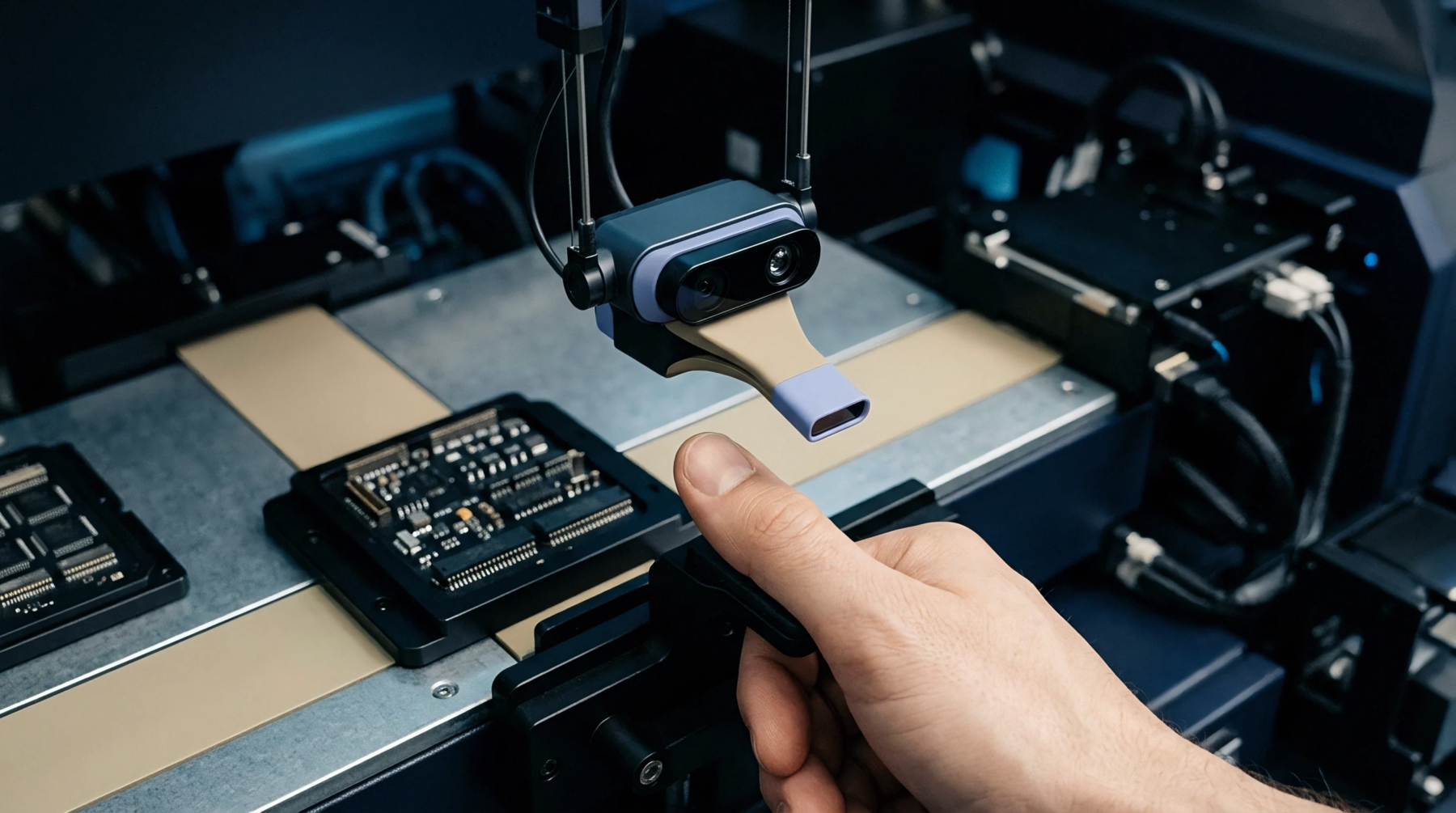
Surface mount assembly lines utilize this material in paste, wire, bar and preform geometries. While the sac305 solder alloy is versatile, its high melting point requires components and substrates that can withstand elevated reflow temperatures. Compliance with environmental regulations like the Restriction of Hazardous Substances directive drove the adoption of this specific formulation.
Reliability Factor
Thermal expansion mismatches in the assembly lead to plastic strain in the joints over time. The alloy eventually fails through a combination of creep and fatigue.