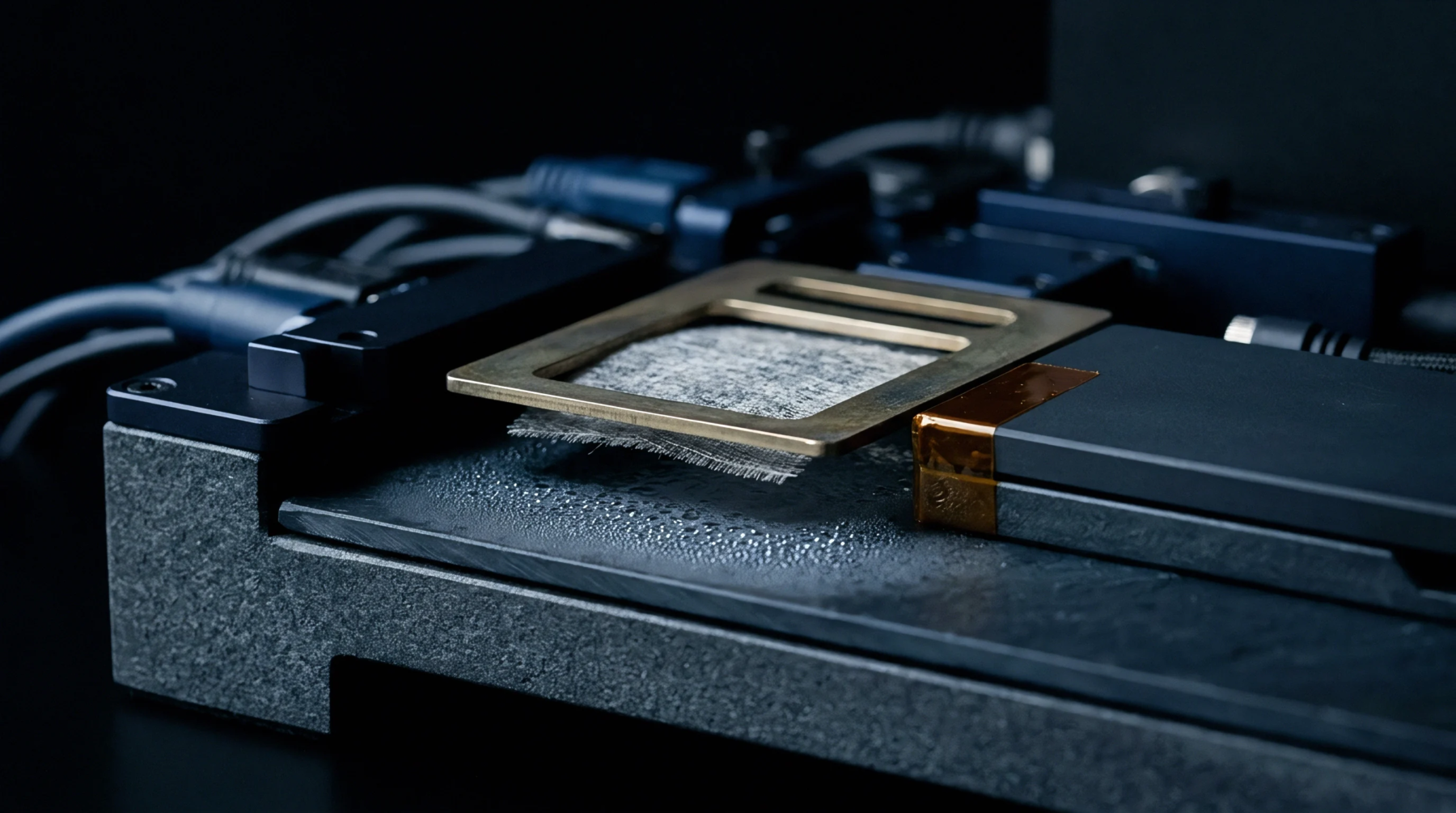
Temperature Maximum
Solder joint formation on circuit boards requires a brief exposure to high temperatures to melt and flow the alloy. The phase known as reflow soldering peak represents the highest temperature reached by the electronic assembly during its passage through the heating tunnel. This parameter must be high enough to ensure complete wetting of the contacts while remaining below the damage threshold of the most sensitive components.
Thermal Profile
Thermal mass differences across the circuit board cause localized variations in the maximum temperature reached by individual components. During the reflow soldering peak, larger components with higher thermal capacity heat up more slowly than smaller parts. This difference can lead to cold solder joints on larger parts or thermal damage to smaller, adjacent sensors.
Managing this window requires careful adjustment of the conveyor speed and the temperature zones.
Calibration Check
Measurement of these peak temperatures utilizes multi-channel thermal profilers equipped with fine-wire thermocouples attached to specific test points on a sample board. These profilers record the complete temperature journey to verify that the peak remains within the limits of the soldering standard. This data is critical for validating that the process matches the specifications of the component manufacturer.
This ensures consistent mechanical strength.
Process Margin
Exceeding the maximum allowed thermal peak can melt internal solder joints or trigger the delamination of plastic packages. This risk means that the assembly process must be monitored continuously to prevent drift in the heating elements of the reflow oven.