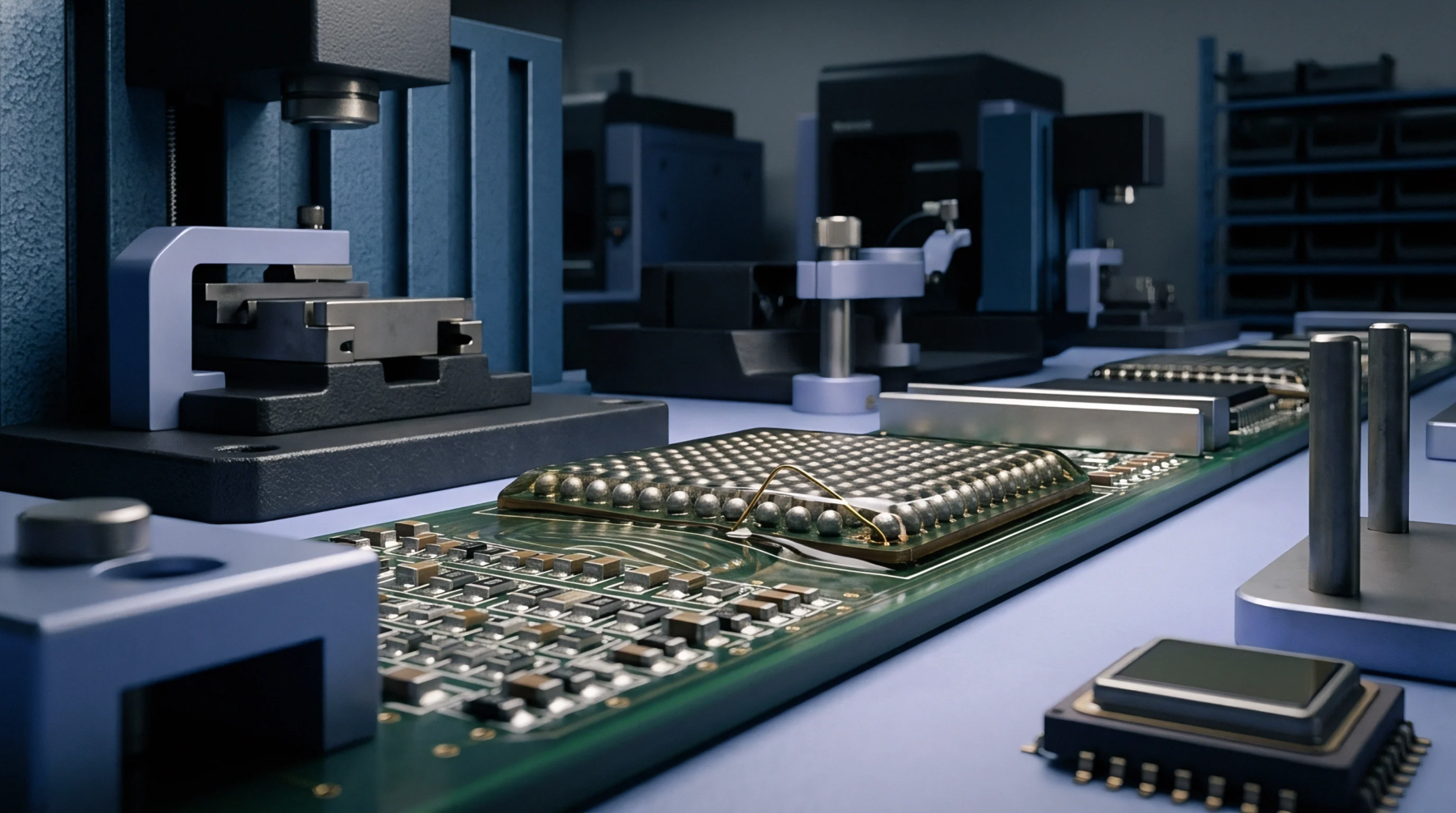
Moisture Profile
Moisture sensitivity classification systems define maximum allowable atmospheric exposure times for plastic surface mount components prior to high-temperature assembly. Executing MSL reflow cycles without prior baking risks internal package cracking caused by vaporized moisture expansion. Moisture sensitivity level ratings dictate storage bag sealing rules.
Thermal Stress
Convection reflow ovens subject components to elevated peak temperatures to melt solder paste alloys across circuit boards. Unbaked components undergoing MSL reflow experience rapid steam generation inside plastic mold compounds, leading to internal package popcorn damage. Thermal sensors record peak temperature ramp rates within reflow heating zones.
Delamination Threshold
Scanning acoustic microscopy detects internal delamination interfaces between silicon dies and plastic encapsulation materials. Improper MSL reflow processing causes micro-cracking along wire bonds, disrupting electrical connections inside the package. Bake cycles remove absorbed atmospheric moisture before surface mount components enter reflow chambers.
Calibrated moisture meters verify dry pack humidity indicator cards prior to component mounting. Acoustic reflection amplitude measurements quantify internal gap separation inside damaged packages. Ultrasonic inspection confirms structural integrity post reflow.
Factory controls enforce strict floor life clocks for opened moisture barrier bags.
Handling Protocol
Bake operations restore moisture-exposed components to safe assembly conditions according to standard temperature profiles. Exceeding MSL reflow floor life limits invalidates manufacturer component warranties and increases assembly failure risks. Quality logs record bake durations and thermal chamber profiles.