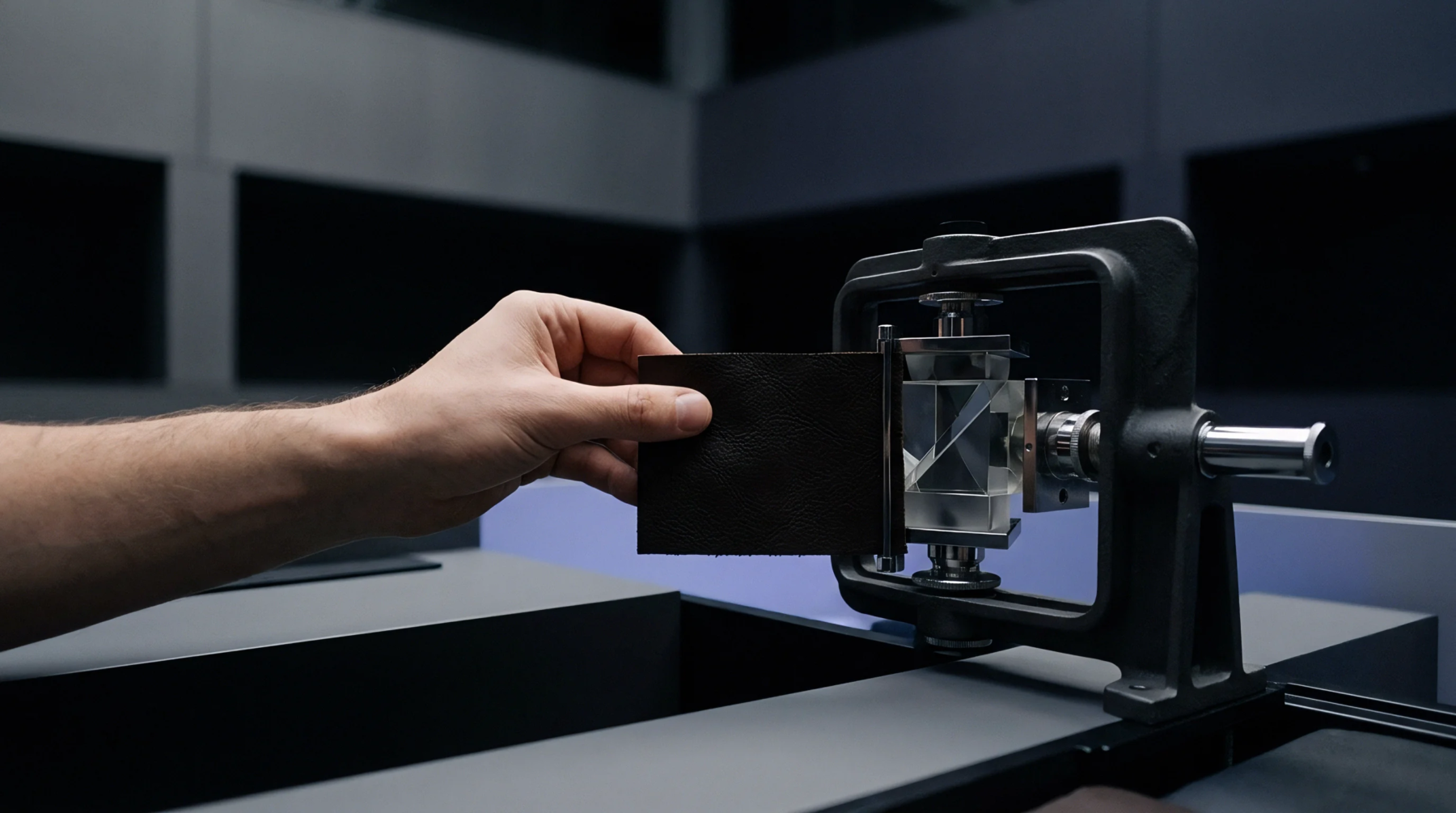
Interferometric Architecture
Optical interferometric techniques utilize broadband light sources to measure reflections with high spatial resolution. Low coherence reflectometry determines the location and magnitude of backscattering sites within fiber optic components. This method relies on a Michelson interferometer where the coherence length of the source defines the axial resolution.
Component Verification
Verification of internal connections requires a reference path with a programmable delay. When low coherence reflectometry is applied to a device under test, the interference signal only occurs when the paths match within the source coherence length. This allows for the identification of sub-millimeter defects in waveguide structures.
Calibration of the scan range is typically performed against a reference mirror with a known displacement.
Spatial Resolution
Spatial accuracy depends on the group index of the material and the stability of the scanning mechanism. Measurement of these parameters often occurs against a calibrated glass gauge block. A precision translation stage moves the reference mirror to map out the entire length of the component.
Signal Constraints
Polarization mode dispersion can broaden the interference peak and degrade the resolution of the data. External temperature fluctuations cause thermal expansion in the fiber, which shifts the apparent position of reflective events.