Material Stability
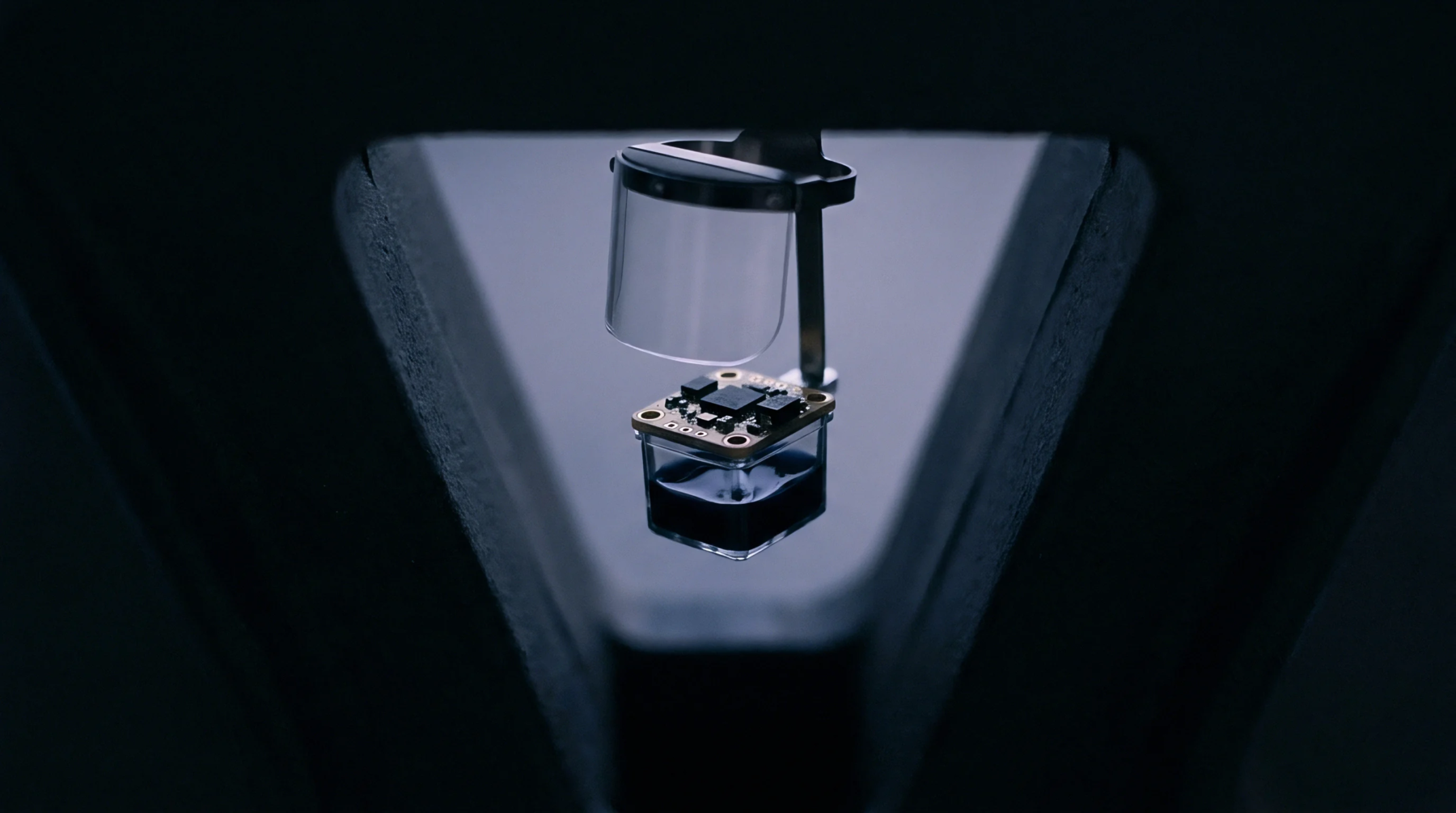
Amorphous silica structural components provide ultra-low coefficient of thermal expansion and high optical transparency across ultraviolet and infrared spectra. Precision manufactured fused quartz fixtures hold sensor packages and optical assemblies during high-temperature calibration and laser alignment procedures. Application boundaries end near eleven hundred degrees Celsius where devitrification alters the amorphous molecular matrix into crystalline quartz.
Thermal Expansion
Structural dimensional drift remains below 0.5 parts per million per degree Celsius across standard operating ranges. Utilizing fused quartz fixtures in optical sensor characterization minimizes measurement errors caused by thermal growth of mounting structures. Temperature gradients across the fixture body introduce minimal mechanical distortion due to low thermal conductivity compared to metallic alloys.
Manufacturing processes involve diamond grinding and flame polishing to eliminate micro-cracks that compromise mechanical strength under tensile loads. Vacuum compatibility prevents outgassing during high-vacuum optical sensor qualification.
Optical Alignment
High ultraviolet transmission allows direct laser beam entry for non-contact interferometric position measurement. Chemical inertness prevents reaction with corrosive process gases during semiconductor sensor calibration.
Metrological Mounting
Mechanical clamping forces must be distributed evenly to avoid stress birefringence in optical windows. Sourcing specifications require optical flatness within one-quarter wavelength of helium-neon laser light. Surface figure tolerances are verified using laser Fizeau interferometers calibrated against certified optical flats.