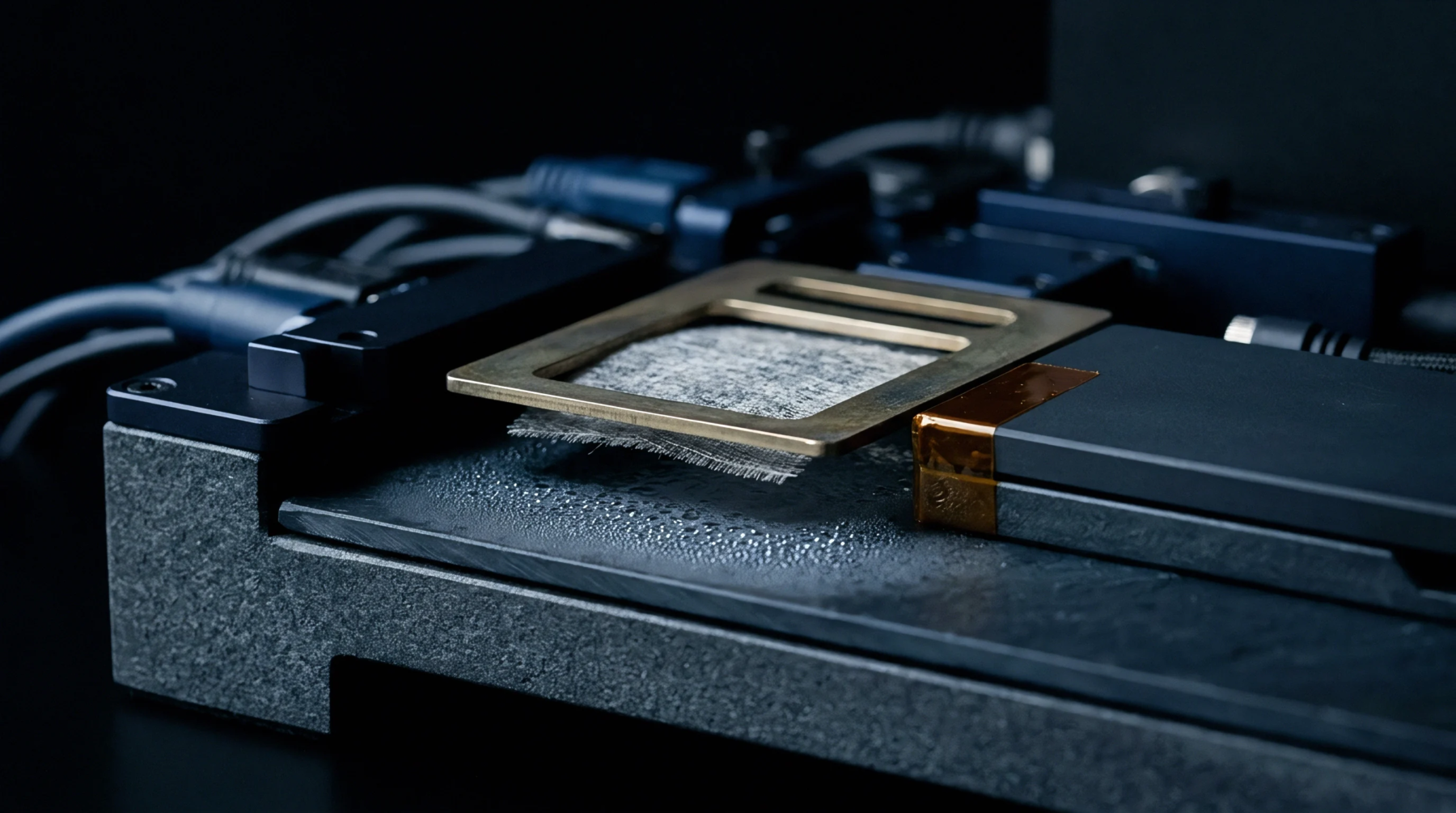
Restoration Process
Thermal treatment of moisture-exposed electronic packages removes absorbed water molecules to restore their safe pre-reflow assembly window. The procedure of floor life reset involves baking the sensitive parts at a controlled temperature for a duration determined by their package thickness and moisture sensitivity level. This intervention ensures that the devices return to a dry state where they can safely undergo high-temperature soldering without risk of internal damage.
Bake Protocol
Industrial baking chambers maintain a low relative humidity and elevated temperatures to accelerate the desorptive outgassing of trapped water. During a floor life reset, the choice of baking temperature is a trade-off between the speed of the reset and the risk of lead oxidation or carrier tape degradation. Low-temperature bakes at forty degrees Celsius are safer for devices still on plastic reels but require several days to be effective.
High-temperature bakes at one hundred and twenty degrees Celsius complete the process in hours.
Verification Metric
Verification of this drying process utilizes precise weigh scales to confirm that the package mass has returned to its dry baseline. Solderability remains the primary metric used to evaluate whether the baking cycle has caused oxidation on the component leads. This checking prevents the assembly of dry but un-solderable components onto PCBs.
Physical Limit
The physical structure of some thin packages limits the number of times this thermal drying cycle can be run before internal compounds begin to degrade. Over-processing causes brittle intermetallic layers to grow, which compromises the electrical and mechanical integrity of the component contacts.