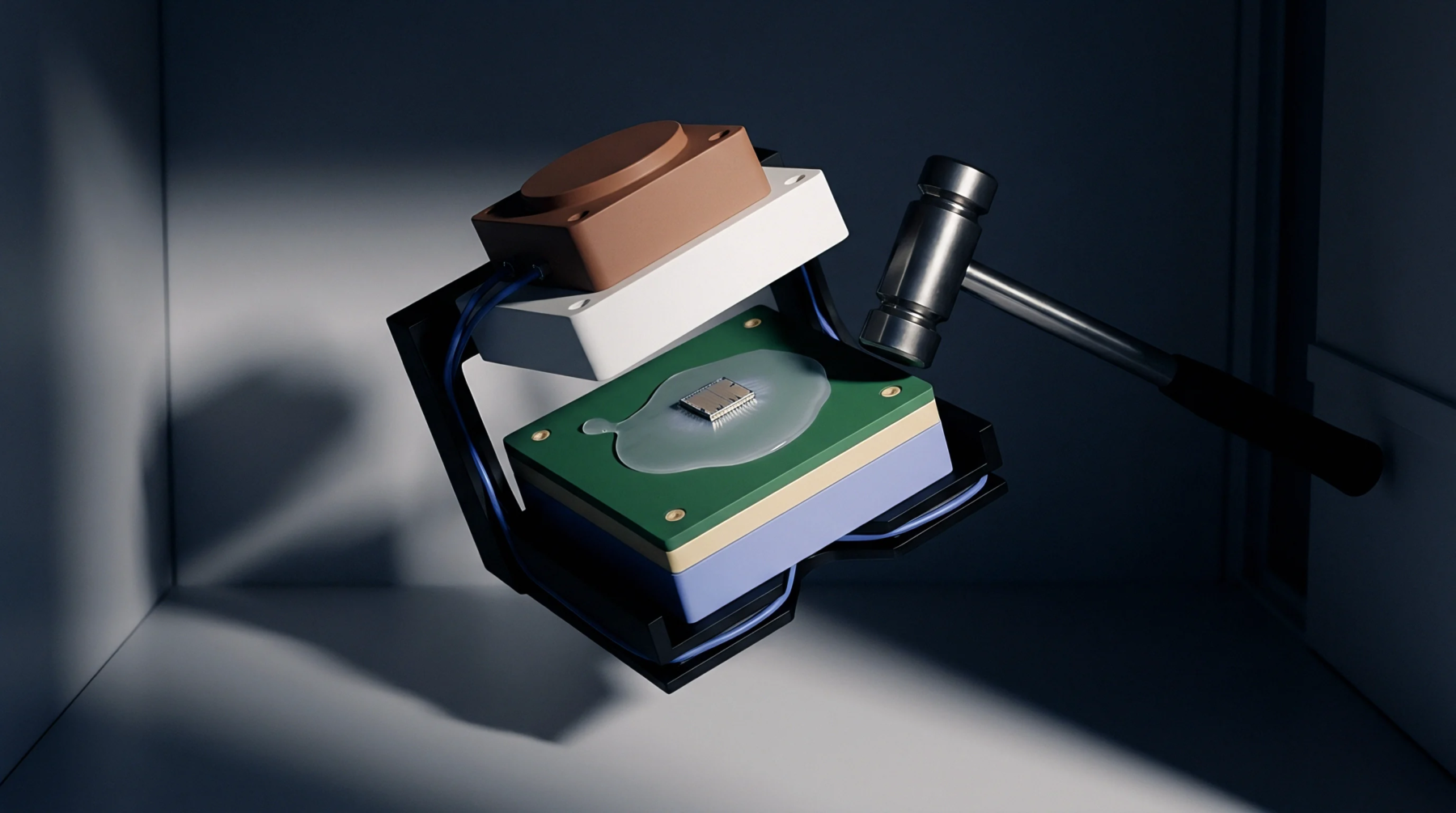
Physical Occlusion
Aquatic sensor deployments face systematic errors when organic matter accumulates on active transducer heads. This deposition process drives biofouling degradation by creating a physical barrier that restricts the exposure of the sensing element to the surrounding fluid, a condition that terminates when the sensor is retrieved or the bio-barrier is cleared.
Transducer Impedance
Living organisms and biofilms establish a microenvironment on the outer surface of the sensing window. As this layer thickens, the signal path undergoes attenuation that varies with temperature and nutrient availability. Acoustic sensors experience shifted resonant frequencies, whereas optical detectors suffer from progressive light absorption.
This physical change distorts measurements and produces an artificial trend that resembles environmental drift.
Mitigation Protocol
Mechanical wipers and copper guards are deployed to reduce the rate of biological accumulation. These active mechanisms sweep the optical path at scheduled intervals to maintain surface cleanliness. When the growth rate exceeds the clearing capability of the mechanical wiper, manual maintenance becomes necessary to restore the sensor.
Copper-alloy guards release trace ions that prevent initial settlement of organisms without affecting the surrounding bulk fluid.
Measurement Offset
Periodic field checks with secondary reference instruments determine the magnitude of the signal drift. If the difference between the deployed sensor and the reference instrument exceeds the established five percent tolerance, the sensor must be recovered. Standard calibration procedures require a thorough cleaning before re-testing in a laboratory bath to isolate the drift.
This separation of drift components confirms the portion of error caused by surface colonization.