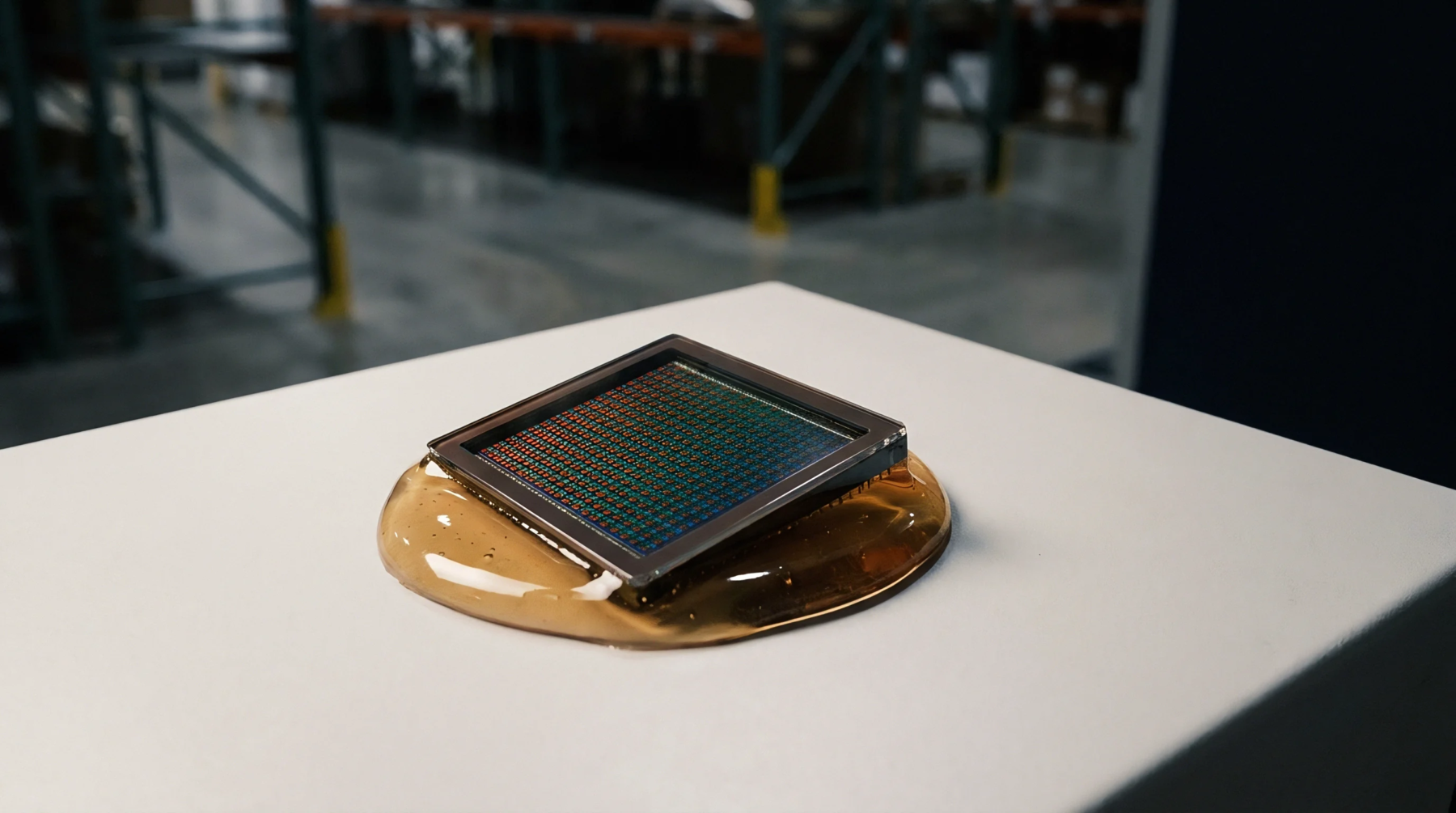
Structural Package
Controlled-expansion nickel-cobalt-iron alloy enclosures provide hermetic containment and mechanical isolation for delicate electronic and resonant micro-electromechanical components. A kovar housing features a coefficient of thermal expansion formulated to match borosilicate glasses and alumina ceramics across broad temperature spans. Precision machining, deep drawing or metal injection moulding forms the package cavity to exact dimensional tolerances.
The structure prevents ambient moisture, gaseous contaminants and mechanical strain from entering the internal cavity. Feedthrough pins sealed with matching glass beads maintain continuous electrical continuity without compromising hermetic seal integrity.
Expansion Match
Thermal expansion matching between adjacent materials minimizes internal mechanical stress during thermal cycling. The thermal expansion coefficient of a kovar housing hovers near five parts per million per kelvin between room temperature and four hundred degrees Celsius. This match prevents cracking in glass-to-metal seals and minimizes warpage transmitted to mounted sensing dies.
Brazing and resistance welding techniques attach structural package lids while sustaining leak rates below industrial hermetic standards. Gold over nickel electroplating prevents environmental oxidation and facilitates wire bonding.
Screening Protocol
Environmental testing routines screen assembled packages for hermeticity, mechanical robustness and electrical isolation. Helium mass spectrometry measures gross and fine leak rates across every kovar housing before and after thermal shock cycles. Metallurgical inspections check grain size uniformity to prevent intergranular cracking during high-temperature glassing operations.
Mechanical drop testing confirms that the package weld seams maintain hermeticity under dynamic shock loads.
Mechanical Boundary
Severe corrosive atmospheres containing chloride ions or sulfur compounds degrade unplated alloy surfaces over prolonged exposure. The kovar housing provides structural containment within rated mechanical load limits, but plastic package deformation under excessive external stress degrades internal sensor alignment and breaks glass seals. Magnetic permeability variations at low temperatures introduce parasitic coupling in sensitive magnetic or electromagnetic sensing instruments.