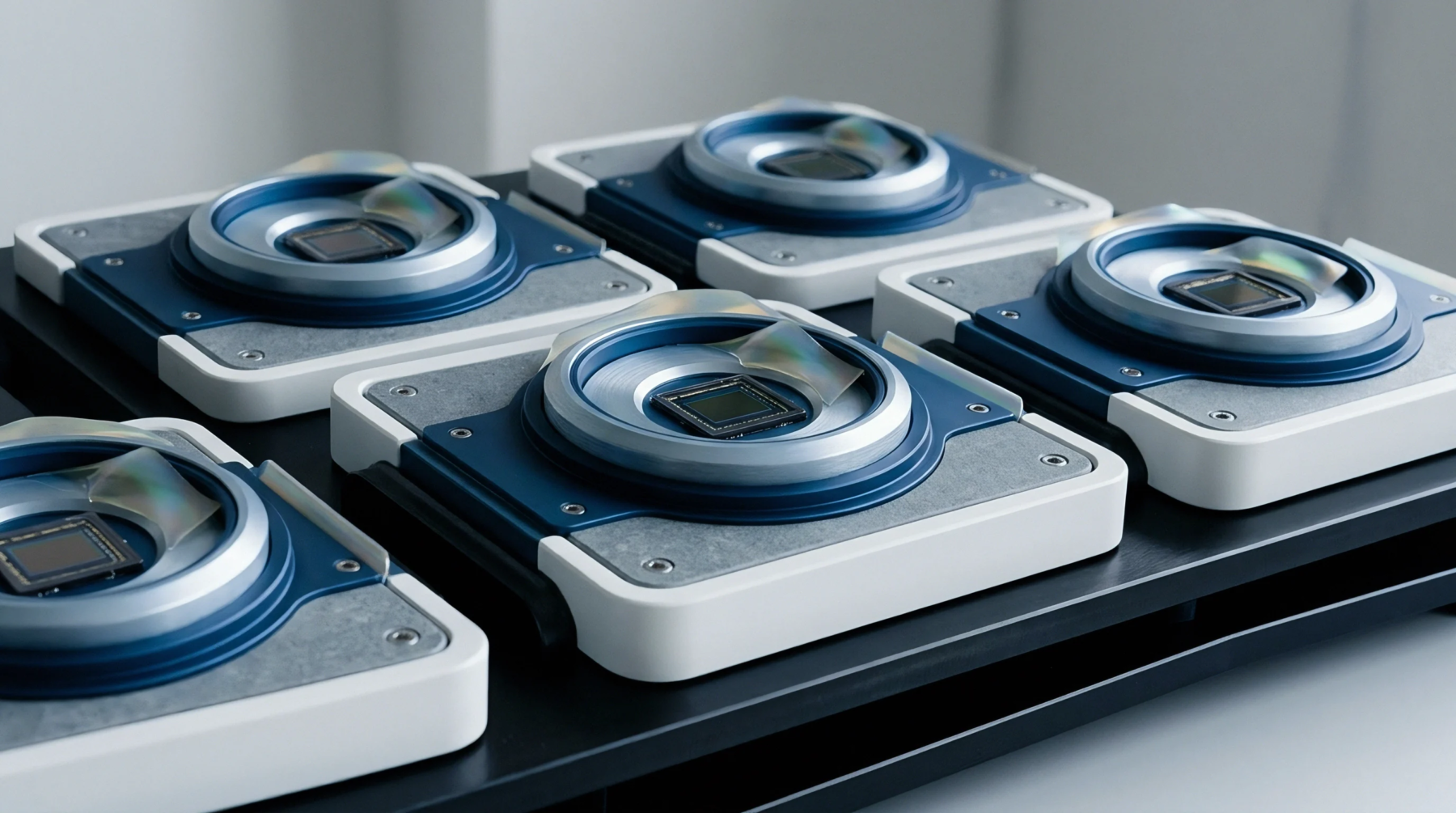
Register Maps That Moved at a Die Revision Nobody Announced
Unannounced die shrinks alter internal register maps and bus timing; enforce strict automated register fingerprinting and binding PCN contract terms.
Firmware driver bringup is the sequential validation of communication protocols between low level hardware controllers and the primary operating system kernel during initial power on cycles. Engineers perform this activity to verify that memory mapped registers trigger the expected hardware interrupts without corruption. Signals across the bus must conform to timing specifications defined by the silicon manufacturer before the software stack assumes control.
Clock frequency stability during this phase dictates the reliability of subsequent data exchanges. Improper termination or signal reflection on the printed circuit board causes non deterministic faults during the handoff from the bootloader to the kernel. Testing rigs monitor the logic levels at specific test points to isolate timing violations.
Calibration routines run against a known reference clock to ensure the frequency generator operates within the specified deviation range. Drift in the system clock oscillator creates latency that prevents the synchronization of the driver with the peripheral hardware.
Coordination of the data link layer requires precise adherence to the register access map provided in the hardware design documentation. Verification involves checking that the kernel receives an acknowledgment signal within the allotted window after writing to a control register. A mismatch indicates a failure in the address decoding logic or an incorrect interrupt vector assignment.
Practitioners compare the measured latency of the peripheral response against the datasheet limit to verify that the bus speed is configured correctly. Interference from adjacent high speed signal lines often shifts the voltage threshold for logic high or low states during these rapid transitions. Signal integrity analysis confirms that the noise floor remains below the sensitivity threshold of the hardware receiver.
Hardware abstraction layers define the operational boundaries of the software interface by mapping physical addresses to logical pointers. Discrepancies between the hardware state and the kernel view trigger fatal exceptions if the memory management unit fails to resolve the translation. Success in this phase depends on the correct identification of base addresses for peripheral blocks.
Each driver must verify the identity register of the target device to prevent attempts to initialize unsupported hardware versions. Hardware vendors set these unique identifiers at the factory to distinguish revision levels or feature sets. Mismatches during this discovery phase halt the boot sequence before the operating system enters a steady state of operation.
Verification of the complete chain relies on measuring the duration from power application to the first successful read of the hardware status register. Precision timing equipment captures the transition edge to determine if the hardware reset signal releases the controller within the specified window. Excessive delay in this transition indicates a flaw in the power distribution network or an overcurrent condition during component activation.
The board manufacturer mandates the maximum allowable reset duration. Achieving this standard confirms the integrity of the power supply sequencing across the entire substrate. Performance depends on the exact correlation between the hardware assertion and the software interrupt response.
Unannounced die shrinks alter internal register maps and bus timing; enforce strict automated register fingerprinting and binding PCN contract terms.
Expertise is a utility, not a secret. sentiention™ publishes its working knowledge as open reference: intelligence layer covering the materials it sources, the markets it enters, and the reference that serves both.