Sensor Drift
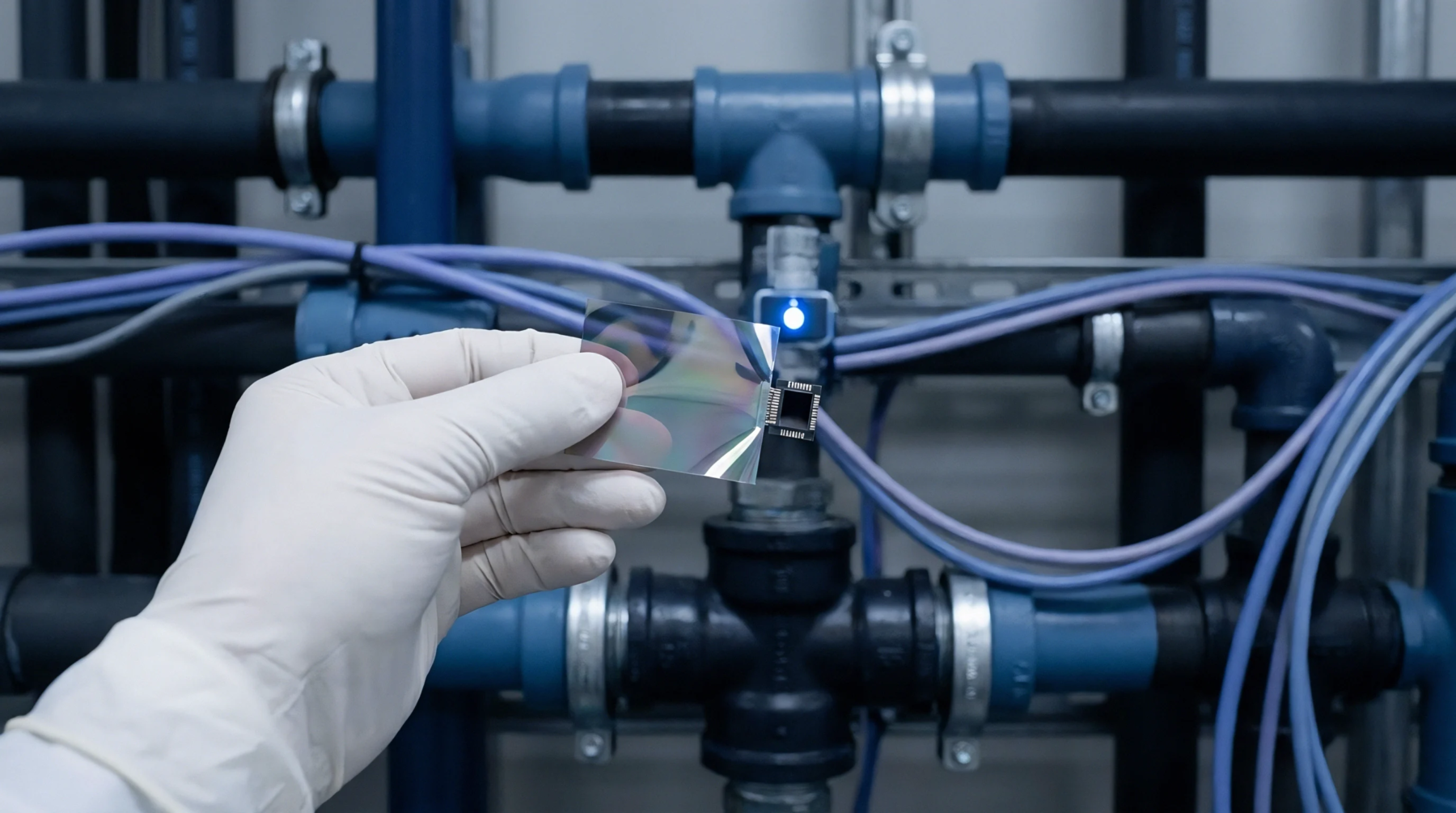
Fluoropolymer electronic pressure module accuracy relies upon the stability of a piezoresistive sensing element housed inside a fluoropolymer body. Output signals degrade over time because mechanical stress relaxes within the diaphragm assembly. Calibration laboratories isolate this systematic offset by recording baseline voltage changes across zero pressure conditions.
Temperature fluctuations compound the error when differential thermal expansion mismatched coefficients stress the bonded strain gauges.
Circuit Calibration
Technicians apply reference pressures through a pneumatic manifold to map transducer voltage response curves. Applied voltages correct the raw signal before analog to digital conversion takes place on the board. Signal conditioning microchips apply polynomial curve fitting equations to linearize the non-linear pressure output.
Reference standards dictate that traceability chains remain unbroken during every adjustment cycle to maintain regulatory compliance.
Media Isolation
Chemical attack damages internal silicon diaphragms unless a protective fluoropolymer barrier seals the sensing cavity from corrosive process fluids. Hydrocarbon exposure degrades untreated elastomeric seals over prolonged operating intervals. Pressure media transmits forces through an inert silicone oil fill fluid directly to the measuring element.
Viscous drag inside the capillary fill channels introduces dynamic response lag during rapid pressure transients.
Installation Effects
Pipe mounting torque twists the sensor housing and introduces zero offset errors into the baseline measurement. Ambient vibration induces microphonic noise across the bridge circuit unless dampening brackets anchor the assembly securely. Diaphragm deflection limits prevent permanent mechanical deformation when system pressure exceeds maximum overload ratings.
Field technicians verify zero points after final mechanical placement to eliminate residual mounting stress artifacts.